Hike to the Hills
Because we didn’t get enough time in the sun the previous week, a group of students decided to join Dr. Dino Martins on a hike through the Napadet Hills on our Sunday off from coursework.


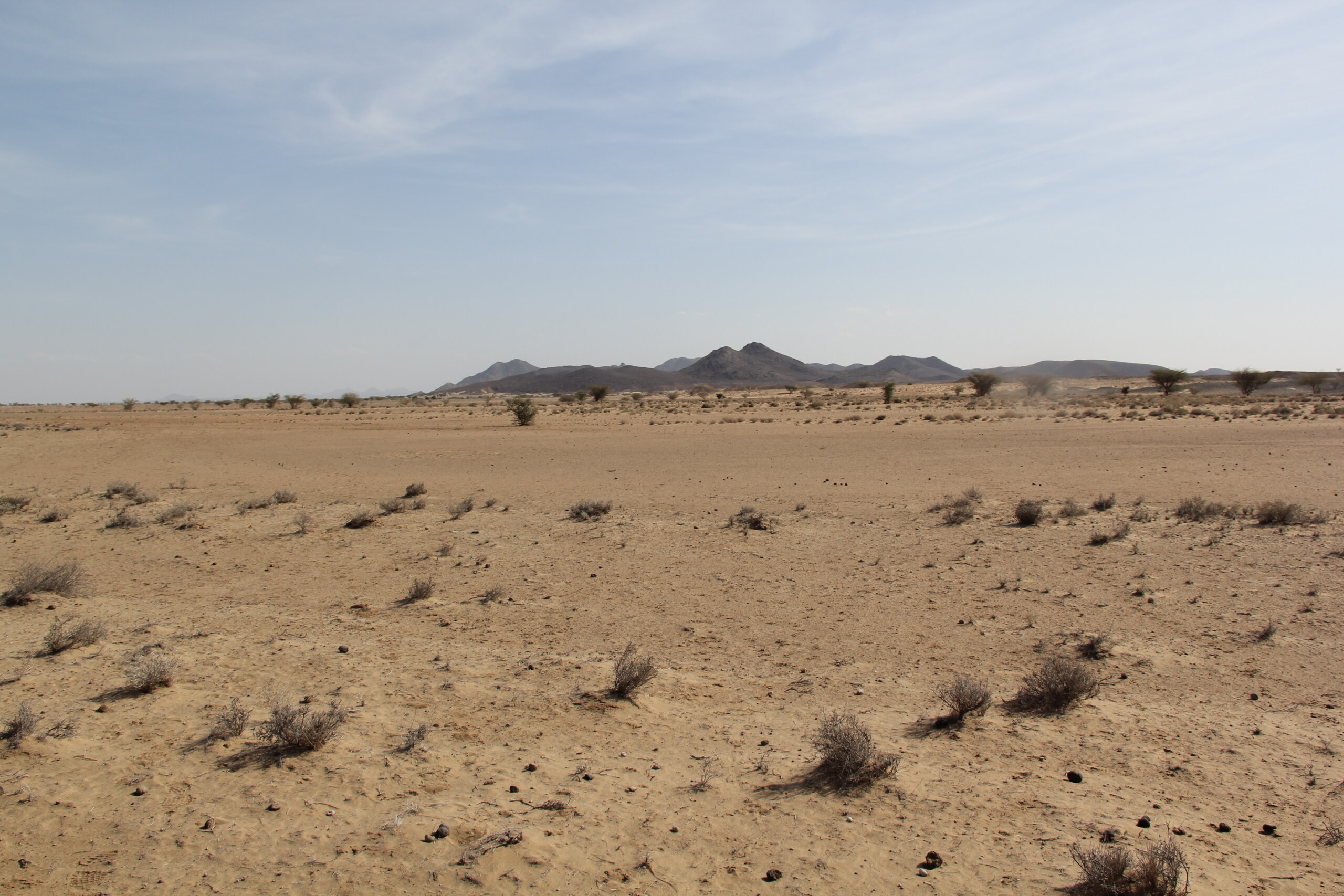
Because we didn’t get enough time in the sun the previous week, a group of students decided to join Dr. Dino Martins on a hike through the Napadet Hills on our Sunday off from coursework.
The road to ecological disaster is paved with good intentions. Years ago, an aid organization introduced Prosopis to Kenya. The relative of the acacia seemed like the perfect plant to rejuvenate the arid regions of Kenya. It grew quickly in intense heat, thrived in arid soil, renewed forage on rangeland and provided wood for charcoal [...]
At first glance, the Turkana Basin can seem like a desolate place with a pretty simple food web. Looking out over the landscape, there are widely spaced acacias across the sand flats with scrubby, needle-bearing Indigofera shrubs filling in the gaps for hungry herbivores.
After an early morning in Nairobi, everyone boarded a small plane and we flew north up the Great Rift Valley. We watched the green highlands give way to the arid Northwest: our home for the next ten weeks.
For paleontologists and archaeologists it can take a lot of imagination to conjure up the ancient environments that surrounded the animals and artifacts being excavated. Without a clear idea of the environmental context that surrounded the material exhumed from the ground, it’s tough to examine the clues to paleoecological interactions preserved beneath our [...]
After months of anticipation, hundreds of questions and a couple bouts of packing, weighing and re-packing, the Spring 2013 Turkana Basin Field School is finally underway and so is the field blog. Over the next few months, check-in here if you want to know what's going on in the Turkana Basin, what we're learning, and [...]
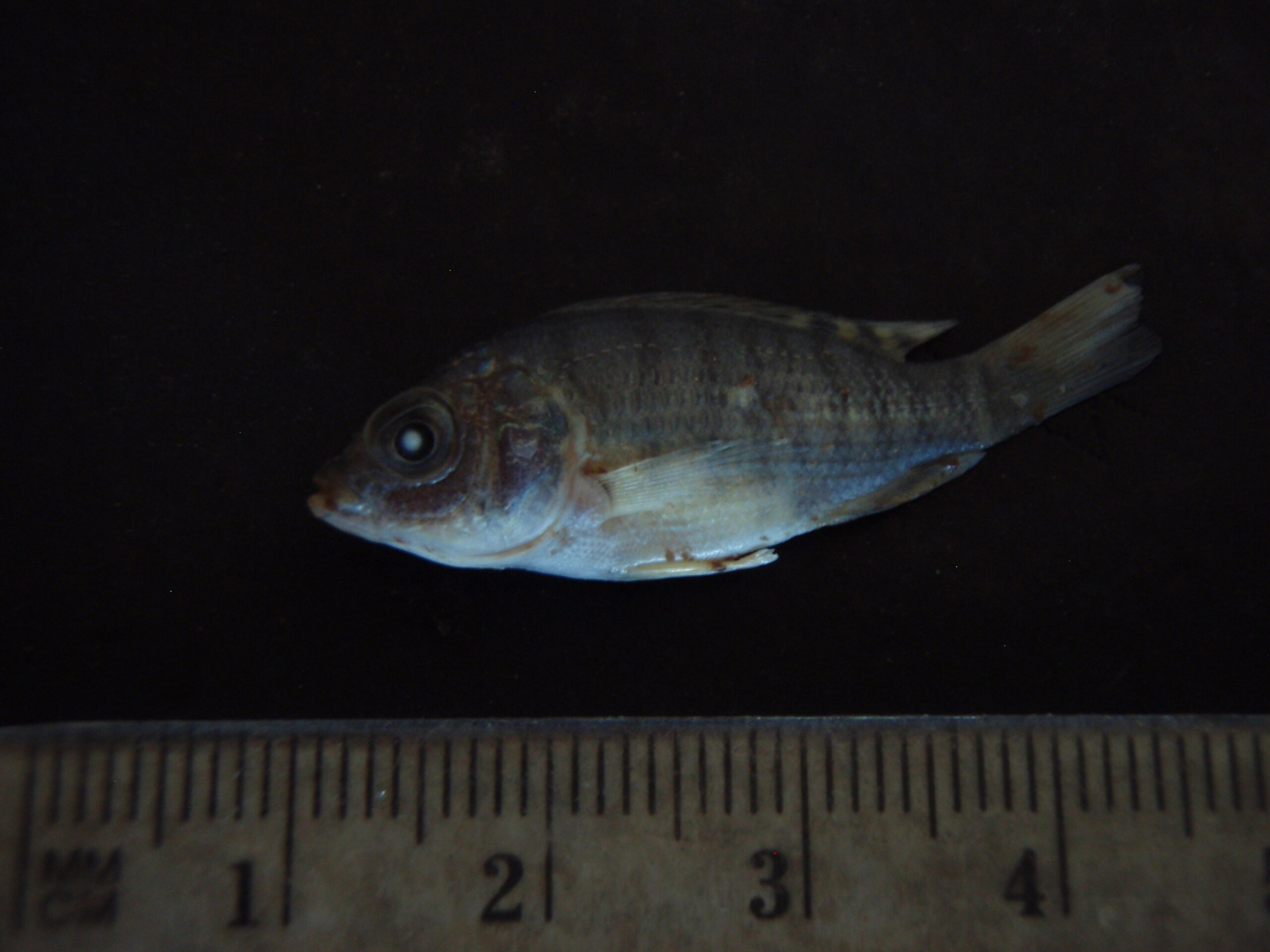
A fish farm at TBI-turkwel been designed as a pilot project to understand the feasibility of aquaculture in the Turkana Basin.
At TBI-Turkwel we've begun to convert locally sourced biomass into energy to run our facility.
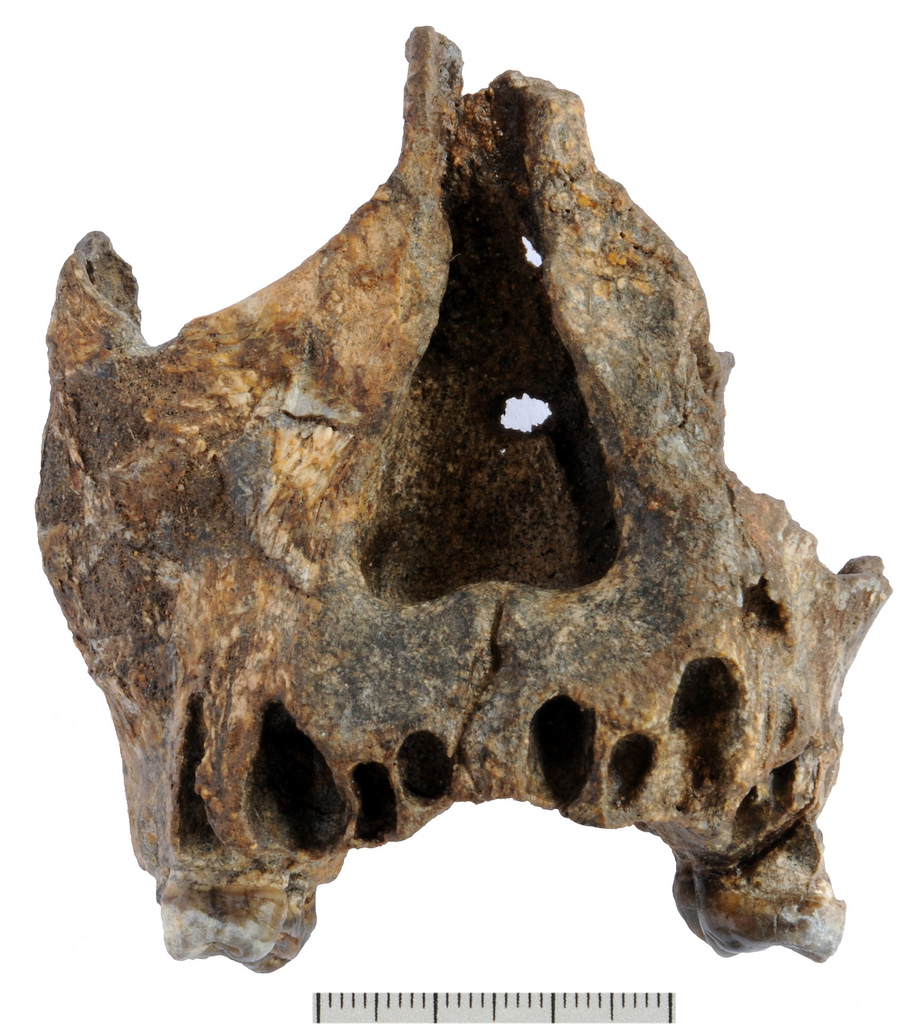
Exciting new fossils discovered east of Lake Turkana confirm that there were two additional species of our genus –Homo – living alongside our direct human ancestral species, Homo erectus, almost two million years ago.
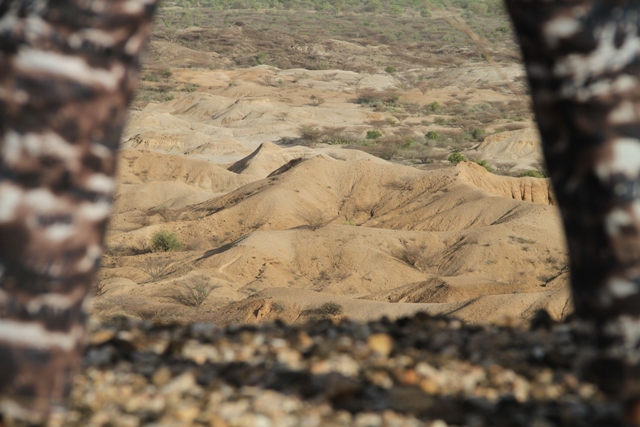
Our crew has been working in Area 40, to the north of Ileret, for the past several weeks. The hominid gang has been able to overcome the wet weather which was an issue when they first started working there. Area 40 is rich in many different fauna and we expect to add many [...]
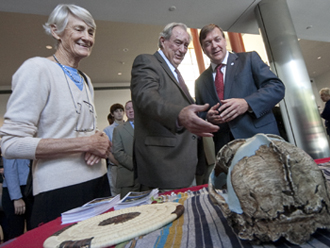
Read about the visit of President Samuel L. Stanley Jr., M.D., to TBI's facilities in Kenya in the Office of the President Blog
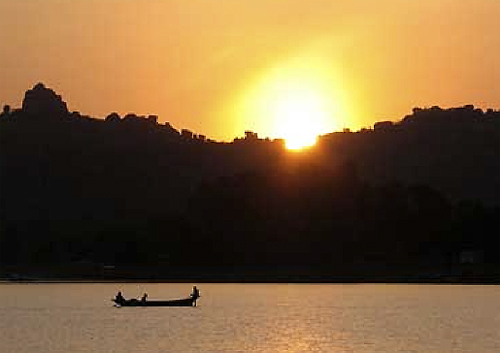
One of the most challenging and interesting questions that has been pondered by scientists through the ages, from Aristotle to Darwin, through to the present day is where, when and how did we, humans, come about? This is a BIG question that perhaps almost everyone has asked at some point in our lives. [...]
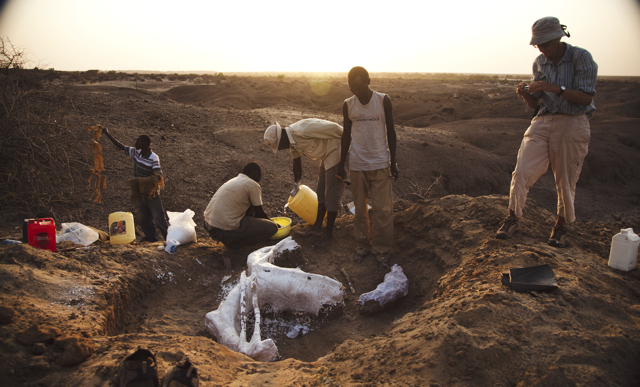
National Geographic Television debuts Bones of Turkana on May 16, 2012.
Beloved musician Paul Simon performed at a fundraising event on Wednesday, May 2, in support of Richard Leakey's vision for the Turkana Basin Institute.
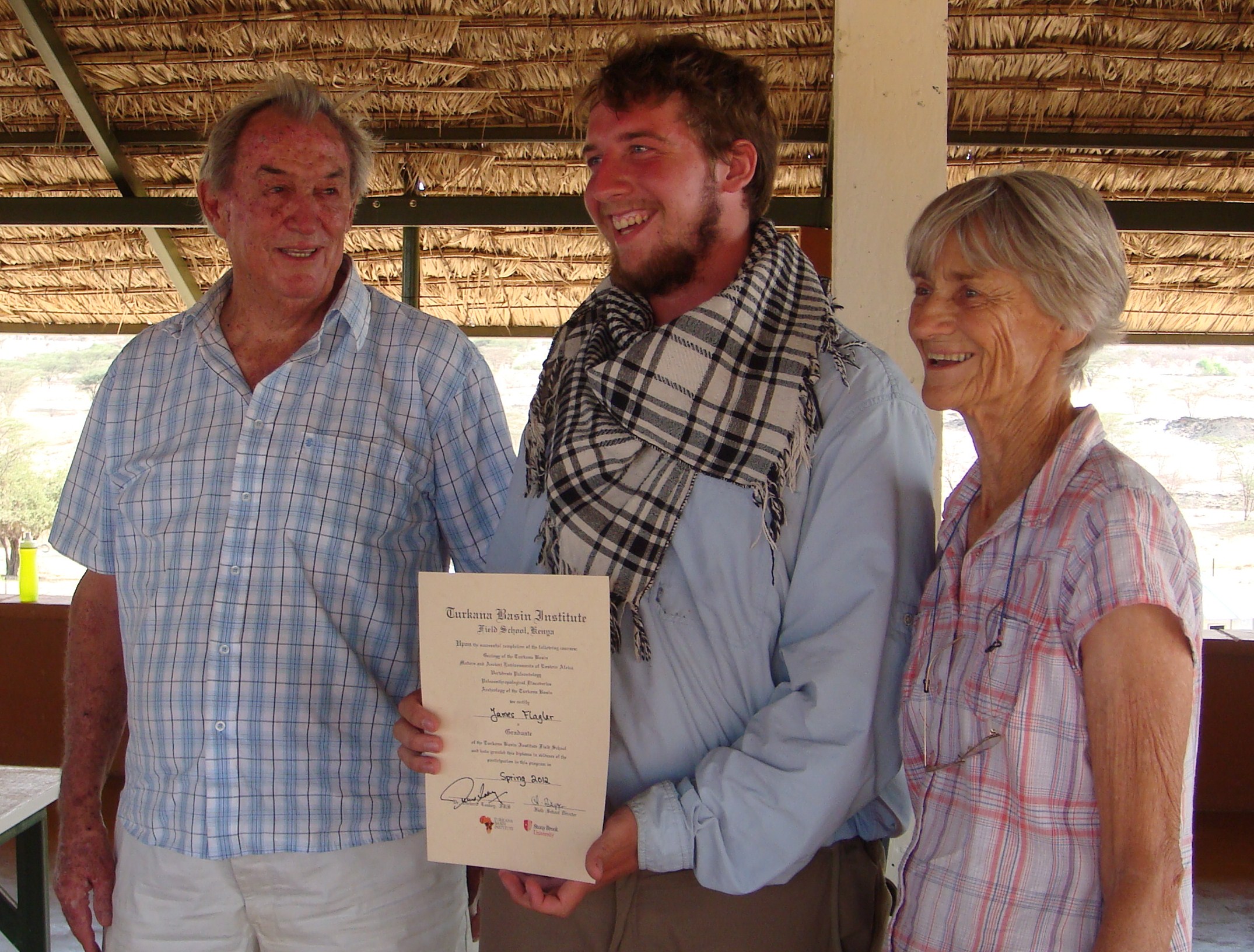
Our amazing Africa experience has come to an end - time rushed by at an astonishing speed! We did have a fantastic last day though: a closing ceremony with Drs Richard and Meave Leakey. After an inspiring speech by Richard Leakey, students received a beautiful TBI Field School certificate. What a great last day! The [...]
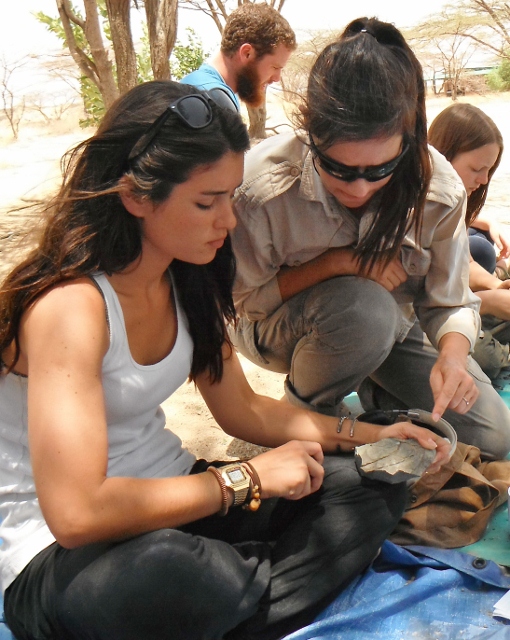
With all their new knowledge about our ancestors and the tools they used, students got to make their own stone tools! Knapping -manipulating stone to create a tool - is not as easy as it sounds. Its a real art because you need the right stones, the right force, and need to know where and [...]
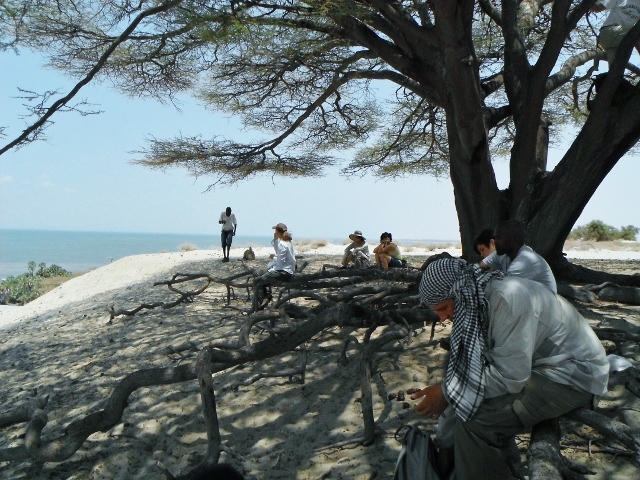
Yesterday students went to a site rich in pottery shards, ostrich egg shells, stone tools and beads. Even though is was hot, the numerous artifacts that were easily spotted on the sandy surface, made for an exciting afternoon. The site was characterized by large silvery sand dunes and a beautiful vista of Lake Turkana. The exact age [...]

Students continued to learn more about stone tools – what they look like, their purpose, and how they were made. In the early stages, starting maybe about 3 million years ago, humans made tools by breaking up stones. The sharp edges flakes were used as knives, whereas others might have been used to crush or [...]
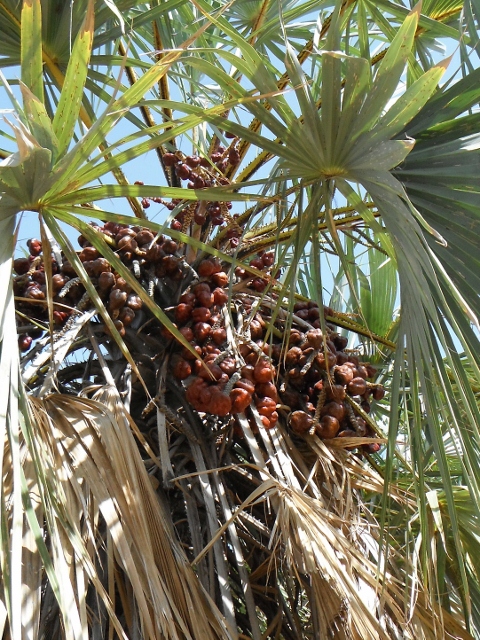
Archaeology, our fifth and final module, started Monday. Students learned a lot about the basics: Archaeology is the study of artifacts and buildings that people have left behind. In Turkana, there are mostly stone tools that range in age from 3 million years to 50,000 years or less. Students learned about stone tools, [...]
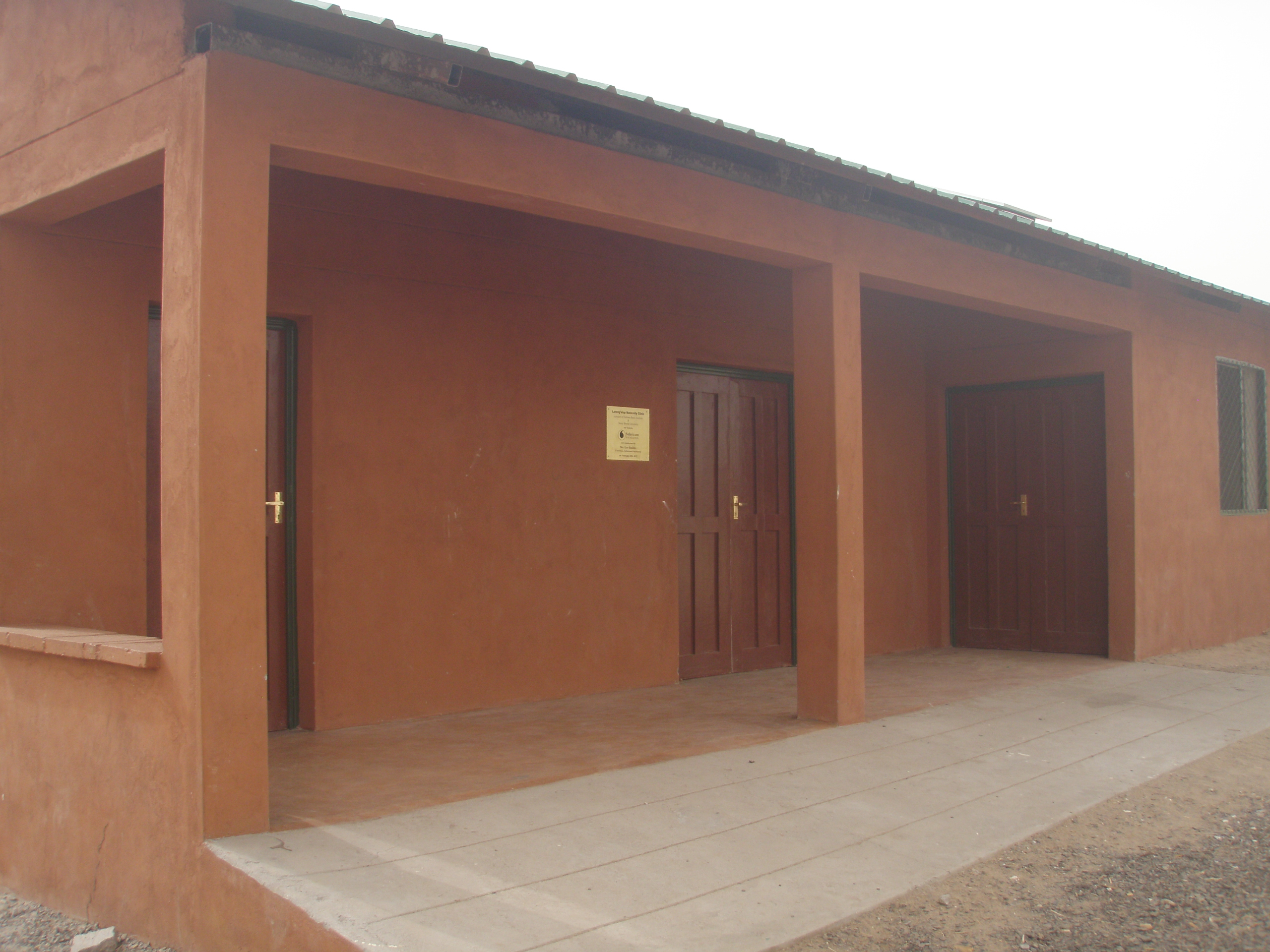
Despite the delayed blog since the opening of the maternity, i owe it to you to inform you of the completion and opening of Loreng'elup maternity. The Loreng'elup maternity was supported by Safaricom Foundation, Turkana Basin Institute and Stony Brook University through the Department of Health Sciences. The Loreng'elup community were honored to [...]