anjadeppe

About Dr. Anja Deppe

This author has not yet filled in any details.
So far Dr. Anja Deppe has created 25 blog entries.

Grand Finale

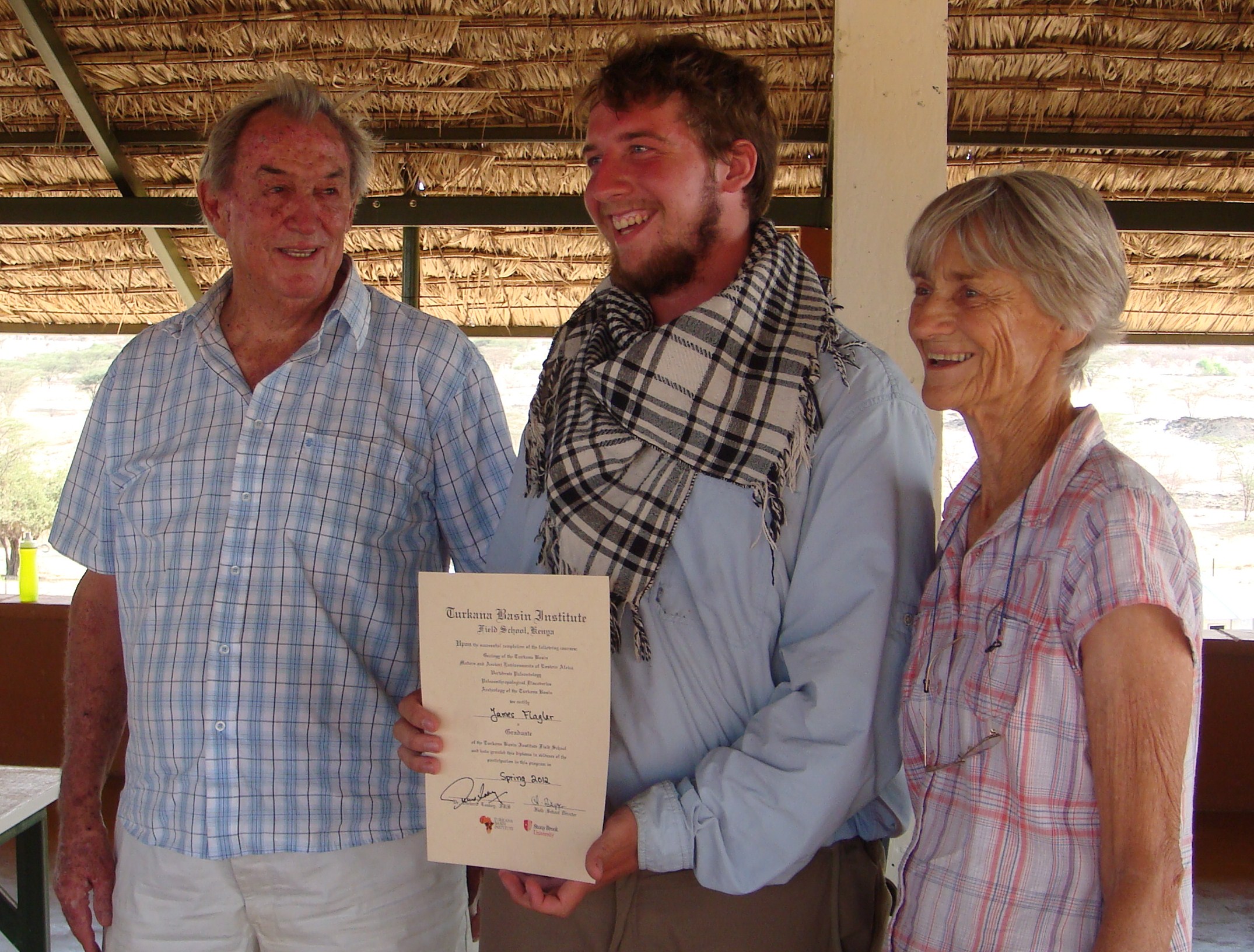
Our amazing Africa experience has come to an end - time rushed by at an astonishing speed! We did have a fantastic last day though: a closing ceremony with Drs Richard and Meave Leakey.  After an inspiring speech by Richard Leakey, students received a beautiful TBI Field School certificate. What a great last day! The [...]
2017-01-04T18:05:14+03:00April 4th, 2012|Field Schools|Comments Off on Grand Finale

Goat Roast

With all their new knowledge about our ancestors and the tools they used, students got to make their own stone tools! Knapping -manipulating stone to create a tool - is not as easy as it sounds. Its a real art because you need the right stones, the right force, and need to know where and [...]

2017-01-04T18:05:19+03:00March 30th, 2012|Field Schools|Comments Off on Goat Roast

Sand Dunes

Yesterday students went to a site rich in pottery shards, ostrich egg shells, stone tools and beads. Even though is was hot, the numerous artifacts that were easily spotted on the sandy surface, made for an exciting afternoon. The site was characterized by large silvery sand dunes and a beautiful vista of Lake Turkana.  The exact age [...]

2017-01-04T18:05:19+03:00March 28th, 2012|Field Schools|Comments Off on Sand Dunes

Stone Tools

Students continued to learn more about stone tools – what they look like, their purpose, and how they were made.  In the early stages, starting maybe about 3 million years ago, humans made tools by breaking up stones.  The sharp edges flakes were used as knives, whereas others might have been used to crush or [...]

2017-01-04T18:05:19+03:00March 24th, 2012|Field Schools|Comments Off on Stone Tools

Going Nuts!

Archaeology, our fifth and final module, started Monday. Students learned a lot about the basics: Archaeology is the study of artifacts and buildings that people have left behind. In Turkana, there are mostly stone tools that range in age from 3 million years to 50,000 years or less.  Students learned about stone tools, [...]

2017-01-04T18:05:19+03:00March 22nd, 2012|Field Schools|Comments Off on Going Nuts!

Alternative energy, Turkana-style

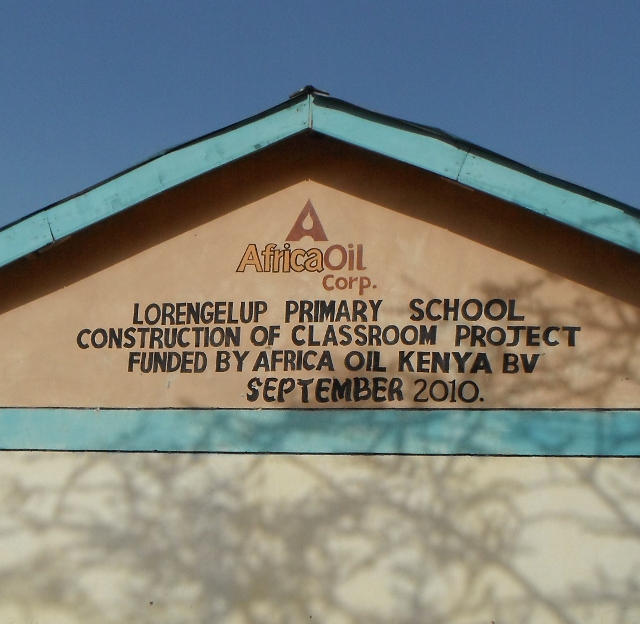
Local students went back to visit the Lorengelup primary school where they planted trees a few weeks ago. They had since erected some barriers around these little trees to protect them from the many goats in the area.  Associated with the school is a small brand new maternity clinic.  To provide power for lights, cooking [...]

2017-01-04T18:05:19+03:00March 21st, 2012|Field Schools|Comments Off on Alternative energy, Turkana-style

How do Plant Fossils Form?

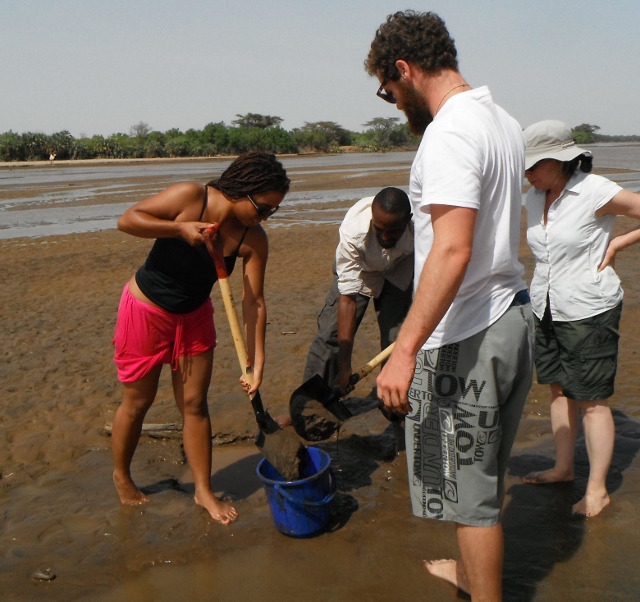
Students learned in detail about how decaying organic plant material gets preserved over time (taphonomy). For example, plants can get preserved under volcanic ash, mud slides, or on lake and river bottoms. In all cases, fine sediment or ash completely covers the plant material.  To illustrate taphonomy, students went to the river to look at [...]

2017-01-04T18:05:19+03:00March 17th, 2012|Field Schools|Comments Off on How do Plant Fossils Form?

Leaves, Stems, and Pollen

This week, students will be learning al about the differences among living plants and their adaptations.  Did you know that there are many more plants with toothed leaves in colder climates and that most leaves of plants in warm and wet climates have smooth edges? There is a higher rate of photosynthesis in the spiky [...]

2017-01-04T18:05:20+03:00March 15th, 2012|Field Schools|Comments Off on Leaves, Stems, and Pollen

Fun in the Sun

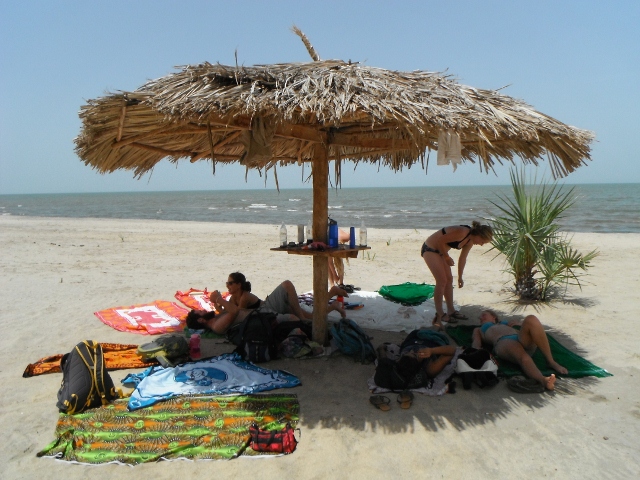
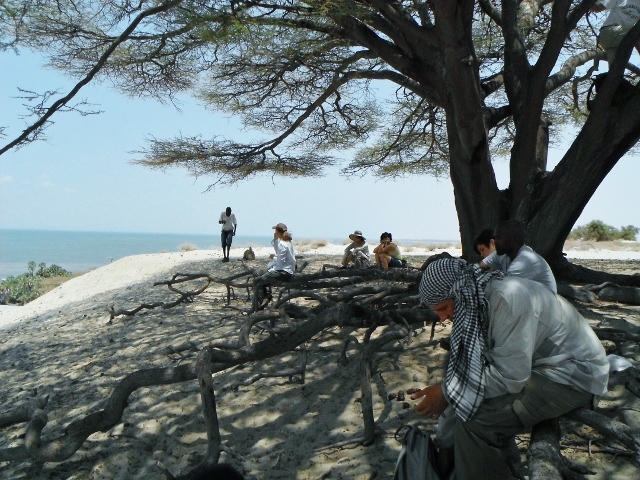
The Field School is not all work; there is also some time to relax. On Sunday students went to Eliye Springs on the sandy shores of Lake Turkana. This little “resort” features a small restaurant with fabulous food and cold sodas (special treat!).  Students relaxed in the shade under umbrellas and cooled off in the [...]

2017-01-04T18:05:20+03:00March 13th, 2012|Field Schools|Comments Off on Fun in the Sun

Really Old Plants

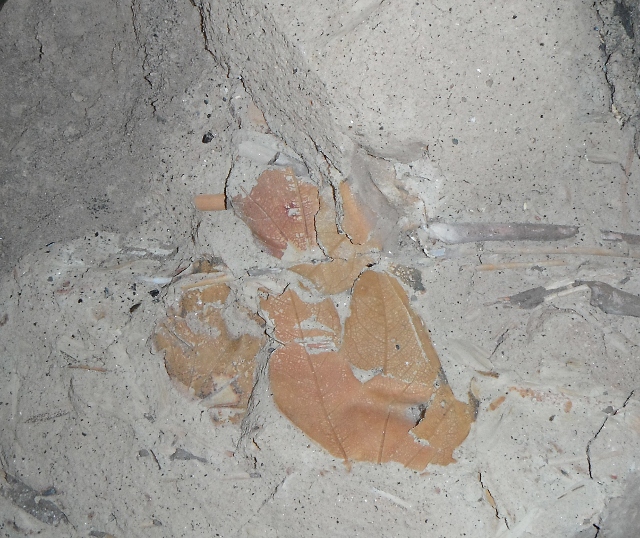
Students went on a field trip to Kalodir, a site where with exposed sediments that are over 17 million years old.  After chipping away sediments students recovered impressions of leaves and other plant parts.  Impressions occur when, let’s say a leaf, drifts to the lake bottom where it is covered with fine sediments such as [...]

2017-01-04T18:05:20+03:00March 9th, 2012|Field Schools|Comments Off on Really Old Plants

Fossils tell Stories

Time is flying – the forth module kicked off Monday. Students are learning about the evolution of vertebrates (animals with a backbone) and how to identify animal fossils.  Students are also learning about the evolution of plants and how to identify plant fossils.  Knowing about what types of plants and animals were present at any [...]

2017-01-04T18:05:20+03:00March 7th, 2012|Field Schools|Comments Off on Fossils tell Stories

Sunday School

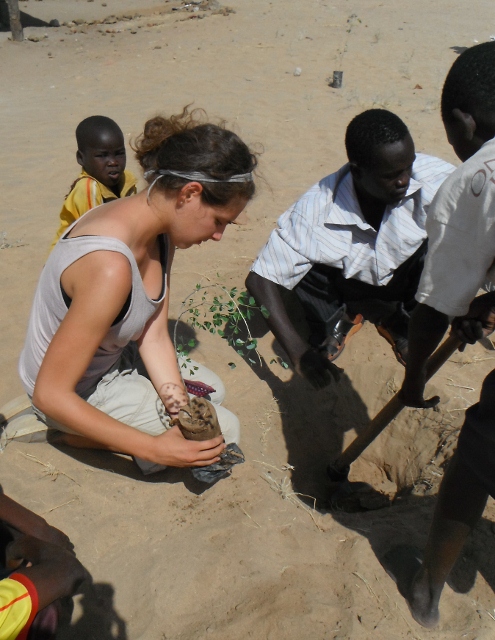
This Sunday students went to visit a local school.  Of course, Turkana students have off on Sundays too, but many of the 176 children and teachers came to welcome the TBI Field School students. TBI donated around 20 young trees that we all planted together around the school yard. After that, students played some soccer [...]

2017-01-04T18:05:20+03:00March 6th, 2012|Field Schools|Comments Off on Sunday School

Our Ancestors

This week students have been learning about our more recent ancestors that lived over the past 2 million years.  At around 1.8 million years there were six or more different species of early human-like species in Africa, and now there is only one left - us, Homo sapiens.  Students not only paid close attention to [...]

2017-01-04T18:05:20+03:00March 1st, 2012|Field Schools|Comments Off on Our Ancestors

Identifying and Reconstructing Fossils

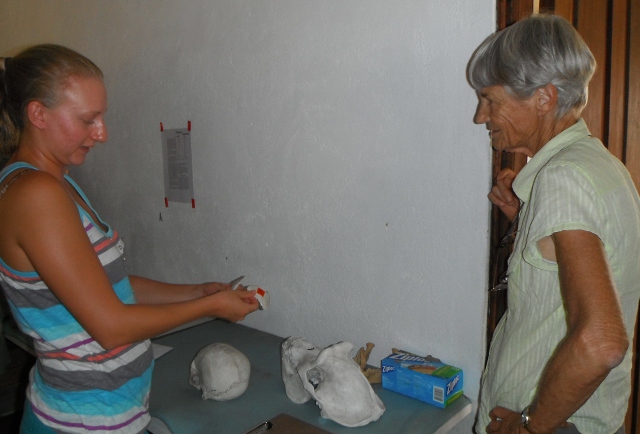
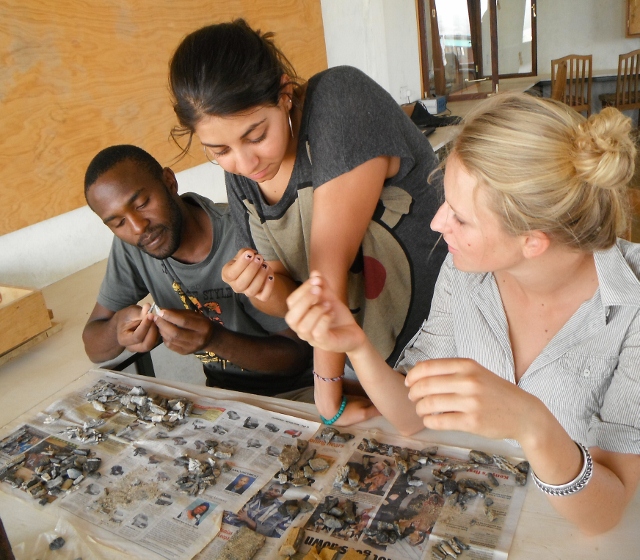
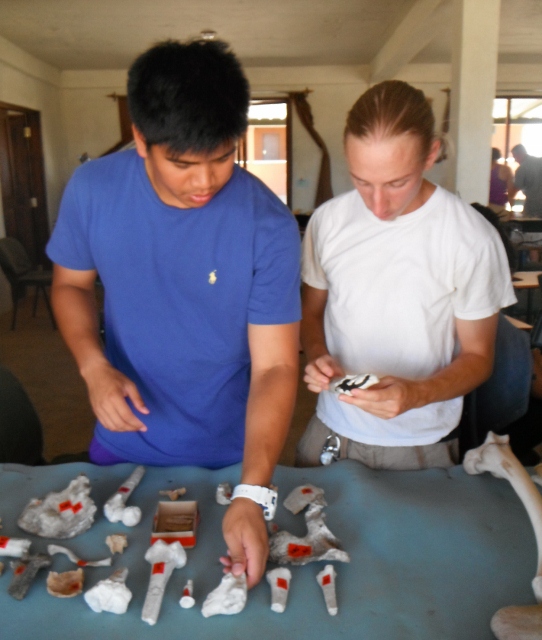
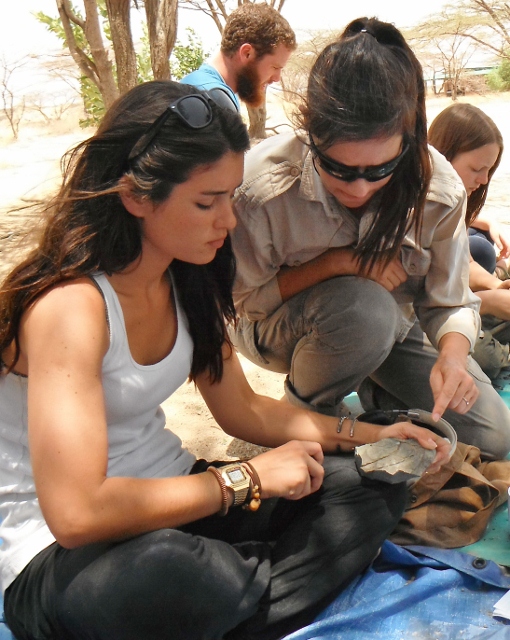
Yesterday students finally got to look at their fossils in more detail.  With the help of instructor Fred Grine and Meave Leakey, students did their best to identify, and piece together, the often very small bone fragments. Finds ranged from mammal bones to crocodile teeth and turtle shells. [...]

2017-01-04T18:05:20+03:00February 28th, 2012|Field Schools|Comments Off on Identifying and Reconstructing Fossils

Secrets of Fossil Hunting

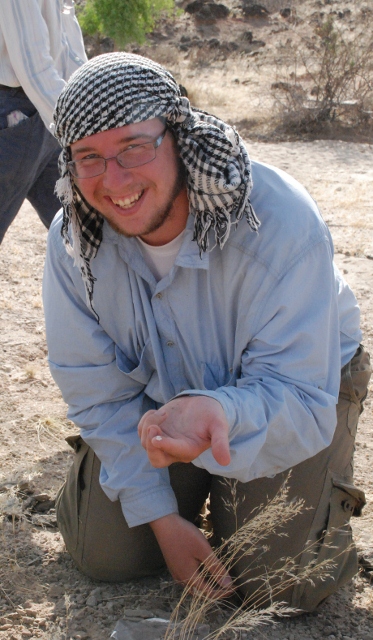
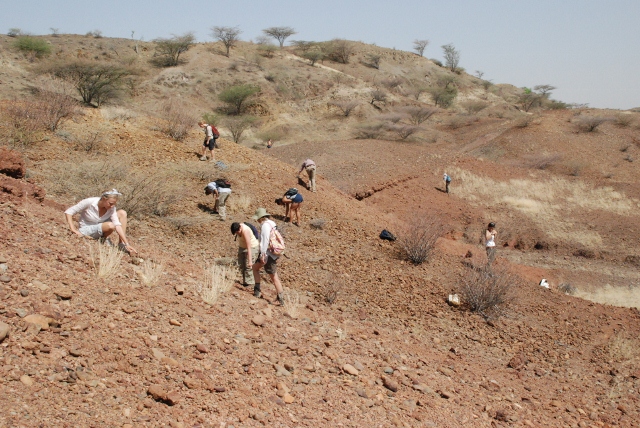
On Saturday morning, students went on a short walk to a fossil site just outside TBI.  Here, Dr. Meave Leakey taught three different methods of locating fossils.  The students had great fun and only reluctantly left for lunch after searching for fossils for over three hours!  The ground was littered with fossils, and many, many [...]

2017-01-04T18:05:20+03:00February 27th, 2012|Field Schools|Comments Off on Secrets of Fossil Hunting

Fossil Hunt

Students had a fun and successful day hunting for fossils. The first stop was the site called Losodok - a landscape of rolling hills and - lucky for us - lots of wind. Temperatures can easily sore above 100 F or 40 C during the day. Losodok dates to over 15 million years ago and [...]

2017-01-04T18:05:21+03:00February 24th, 2012|Field Schools|Comments Off on Fossil Hunt

Muscles, Monkeys, and Apes

Students have been learning more about the animal skeleton and muscles. Bones can tell us about how muscles were attached. Muscles can tell us about what kind of movements an organisms was adapted to performing.  So even with only a few key bones, we can learn a lot about an extinct animal.  Teeth can reveal [...]

2017-01-04T18:05:21+03:00February 22nd, 2012|Field Schools|Comments Off on Muscles, Monkeys, and Apes

Bones

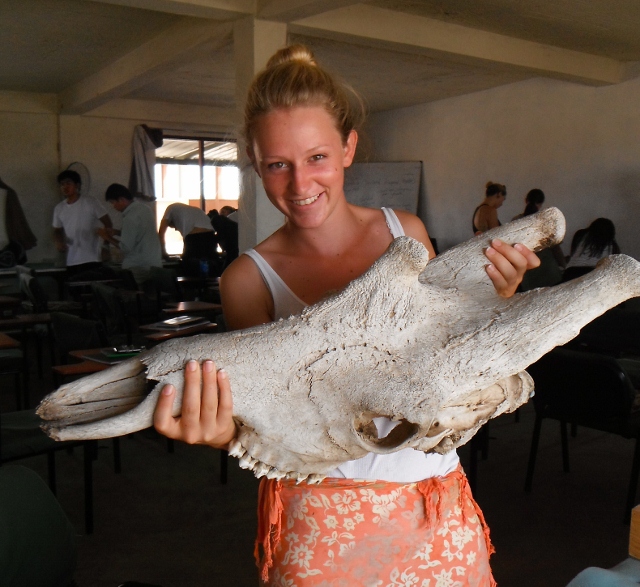
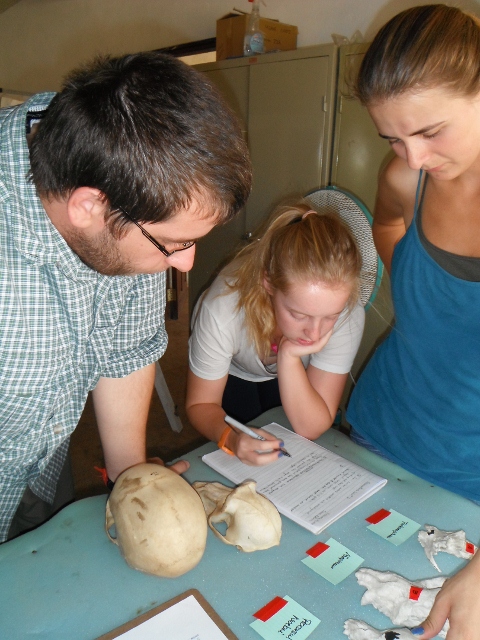
Today students learned the basics about human anatomy and how detailed knowledge of bones is crucial in identifying fossils.  Human, or other animal fossils, are very rarely found in one piece – most often found are individual bones, bone or skull fragments, or teeth. Bones can tell us much about an organism: its age, health, [...]

2017-01-04T18:05:21+03:00February 20th, 2012|Field Schools|Comments Off on Bones

Ancient Hippos at Lake Turkana

The third module on Human Evolution started early.  Professor Fred Grine of Stony Brook University arrived Saturday and took students on an excursion to Lake Turkana. The Turkana Basin has revealed a wealth of human fossils, and is thus also known as "the cradle of human kind".   After  a short truck ride students arrived [...]

2017-01-04T18:05:21+03:00February 19th, 2012|Field Schools|Comments Off on Ancient Hippos at Lake Turkana

Lothagam Camping Trip

The students went on their first overnight camping trip to Lothagam, a site that dates as far back as eleven million years, and contains fossils and artifacts from as little as several thousand years ago. It consists of a series of faults and outcrops formed by both a once gigantic lake, and volcanic/tectonic activity. [...]

2017-01-04T18:05:21+03:00February 17th, 2012|Field Schools|Comments Off on Lothagam Camping Trip
Go to Top