Origins Field School

Human evolution: from elusive origins to human diversity in the present

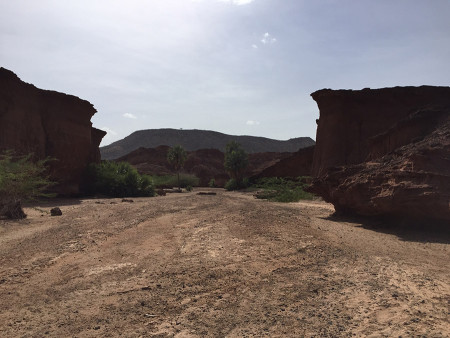
We made it across to the west side of Lake Turkana on March 6th. Having learned about the ecology, paleontology and geology of the basin from an east side perspective, we were excited to learn about what the west side has to offer. Many important paleoanthropological and archaeological discoveries were made in areas on the [...]
2017-01-04T18:04:35+03:00March 18th, 2016|Field Schools, Spring 2016|Comments Off on Human evolution: from elusive origins to human diversity in the present

Overnight trip to Koobi Fora

Nearing the end of the Geology module, we all set out for an overnight trip to the famous Koobi Fora camp area. The Koobi Fora area is historically significant for human origins research, most notably a hot spot for this discipline since the beginning of Drs. Richard and Meave Leakey's research in the 1960's and 70's. [...]

2017-01-04T18:04:35+03:00March 5th, 2016|Field Schools, Spring 2016|Comments Off on Overnight trip to Koobi Fora

The Karari ridge, mapping, and stratigraphic sections

Part of learning about the geology of the Turkana basin is to visit and examine rock exposures related to archaeological and fossil sites and how to interpret the former landscape of past life.  For this next part of the field school, Dr. Feibel told of the geologic history and gave us a tour of the [...]

2017-01-04T18:04:36+03:00March 1st, 2016|Field Schools, Spring 2016|Comments Off on The Karari ridge, mapping, and stratigraphic sections

Shaping the Turkana Basin: river and lake systems

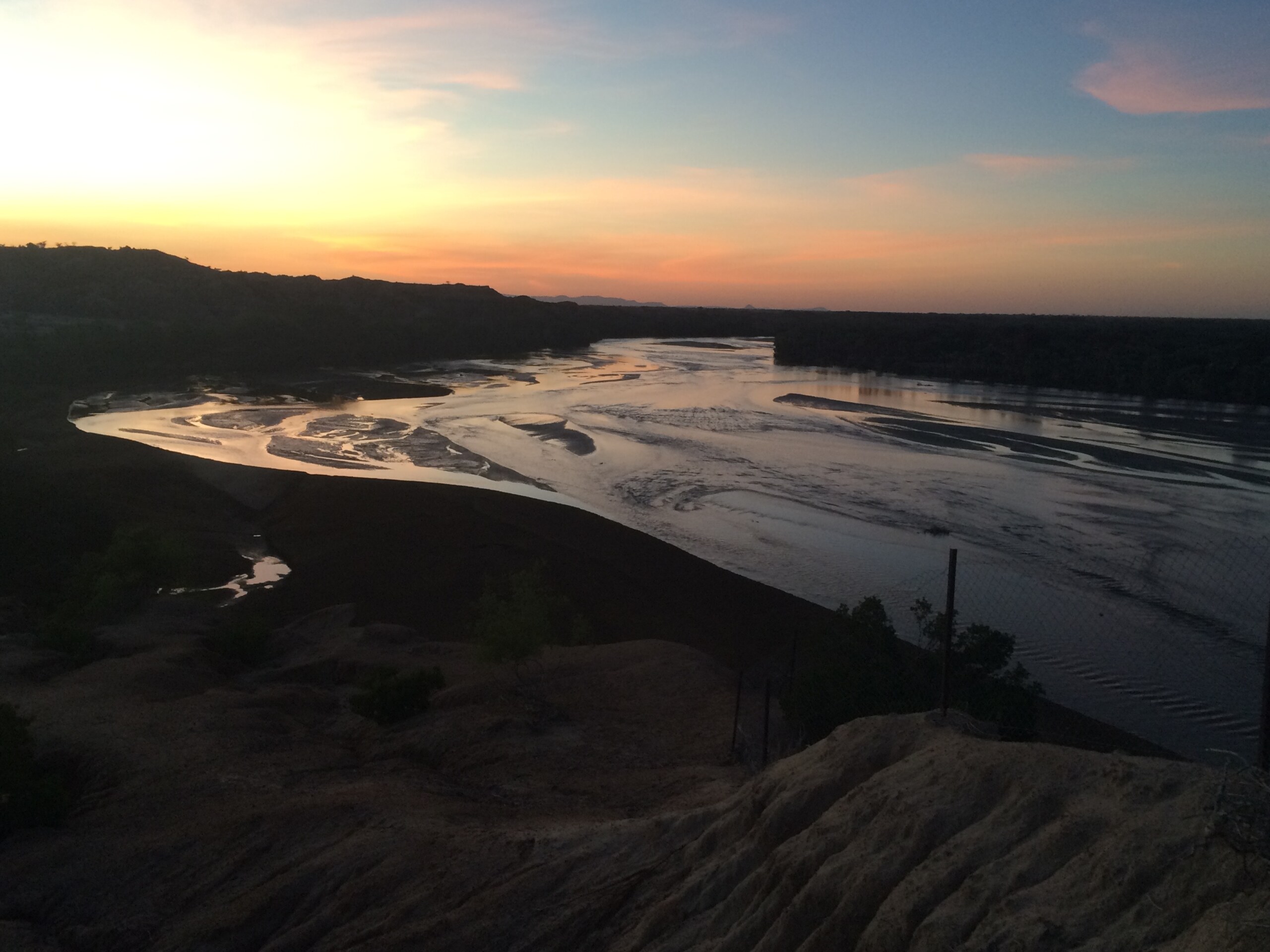
It might seem impossible, but one of the most important forces of nature changing the landscape in the Turkana Basin is water. The Turkana Basin environment is arid, but even today water moves sediments around, shaping the geology of the area. Many wet and dry cycles have impacted the Turkana Basin – both on annual [...]

2017-01-04T18:04:36+03:00February 27th, 2016|Field Schools, Spring 2016|Comments Off on Shaping the Turkana Basin: river and lake systems

Seeing the lay of the land and getting our bearings

So far in the field school we have learned all about the modern local environment and the history of life in the areas surrounding Ileret. But how do we measure this great depth of time? How can we know why and how the environments changed and the effects on the life they sustained over time? [...]

2017-01-04T18:04:36+03:00February 22nd, 2016|Field Schools, Spring 2016|Comments Off on Seeing the lay of the land and getting our bearings

Paleontology week 2: methods, methods, methods!

Week two of the Paleontology module was packed with field methods, a special visitor, and lots of work on student projects. We headed back out to Area 8b to learn more about Paleontological field work. After an hour of prospecting for fossil finds, we began a session on field collection methods. All sciences require some [...]

2017-01-04T18:04:36+03:00February 19th, 2016|Field Schools, Spring 2016|Comments Off on Paleontology week 2: methods, methods, methods!

Paleontology: Learning about fossils, anatomy and Earth’s history

We know that the Earth is between 4-5 billion years old. Its vast life history recorded in the ground. Paleontologists use evidence of past life on Earth from fossils (of plants and animals) to understand the many changes in climates and environments that took place. Professor Mikael Fortelius arrived, and we began our lessons in Paleontology. Prof. [...]

2017-01-04T18:04:36+03:00February 13th, 2016|Field Schools, Spring 2016|Comments Off on Paleontology: Learning about fossils, anatomy and Earth’s history

Ecology at Ileret: semi-desert vegetation, pastoralism and freshwater ecology

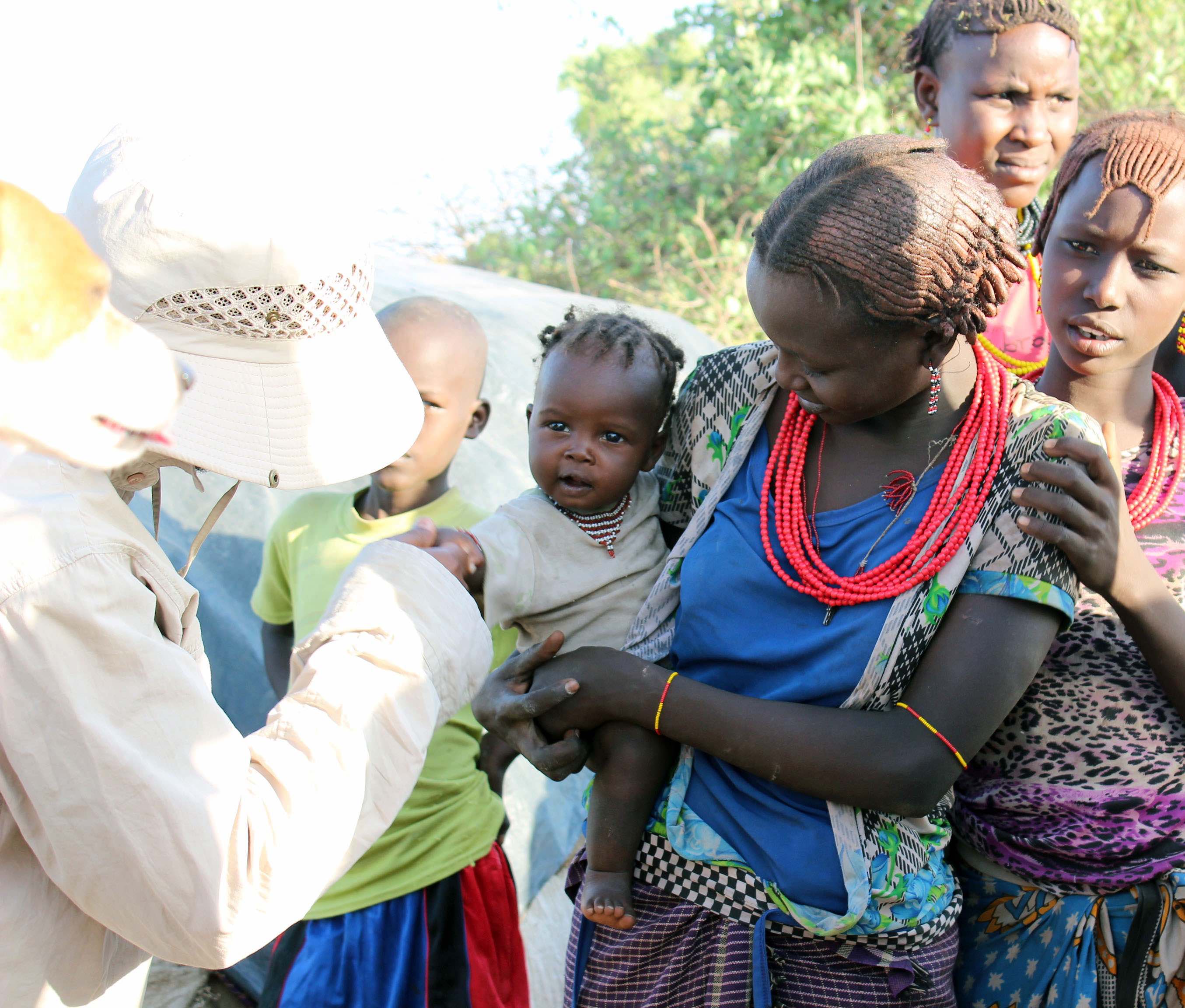
We safely arrived at Ileret, excited to start the second half of the ecology module (don't worry, the rest of the students made it too). Kenya contains a wide variety of environments and habitats within its boundaries. At Mpala, we observed savannah and woodland environments that were very green following good amounts of [...]

2017-01-04T18:04:37+03:00February 7th, 2016|Field Schools, Spring 2016|Comments Off on Ecology at Ileret: semi-desert vegetation, pastoralism and freshwater ecology

The Great Grevy’s Rally

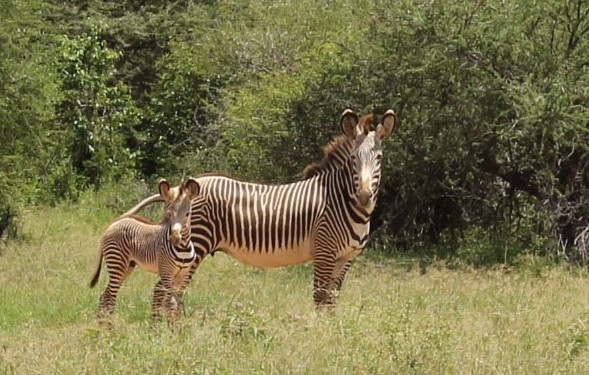
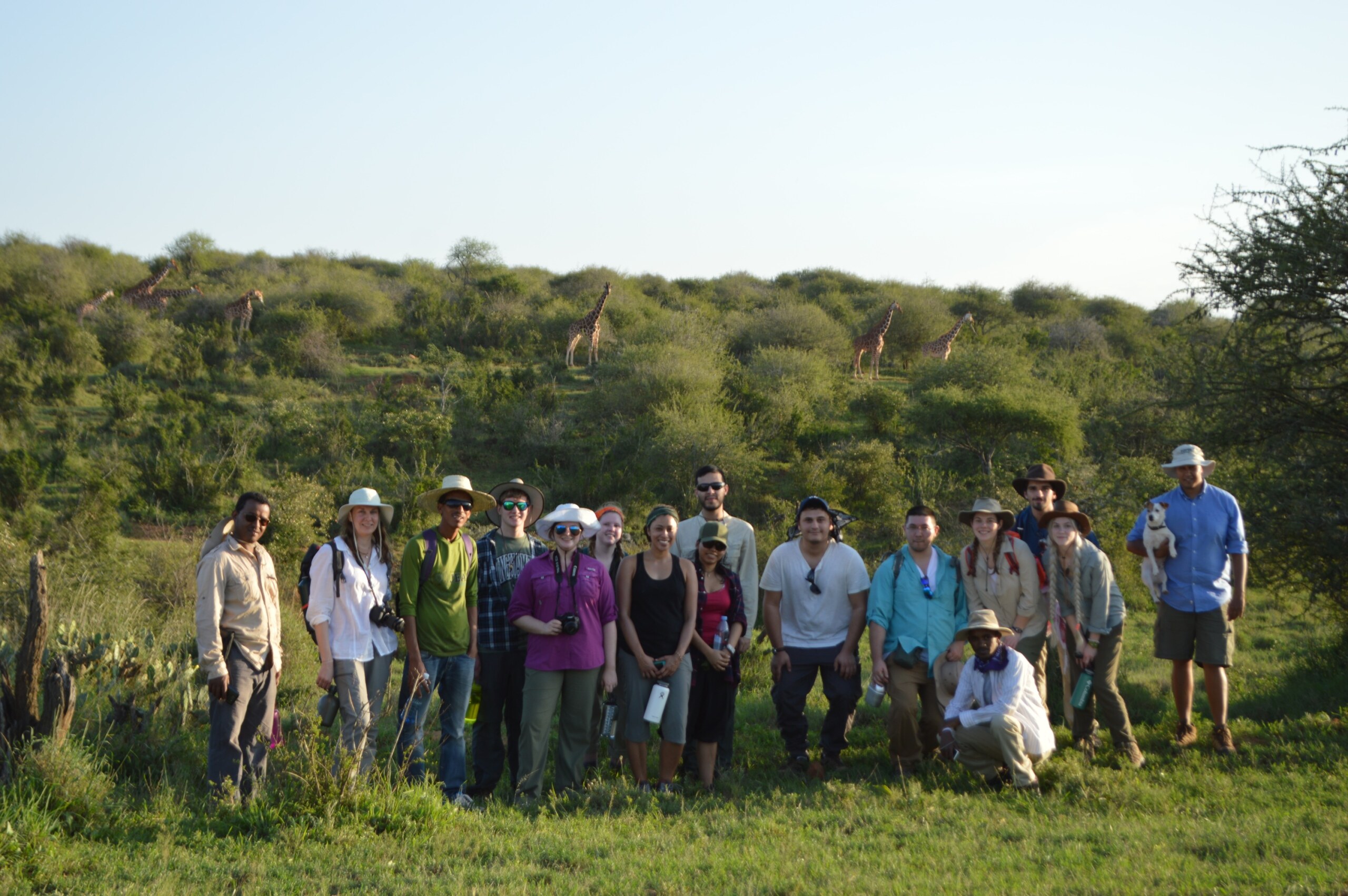
On January 30th and 31st the TBI field school students were able to take part in a historically important effort across Kenya. The Great Grevy’s Rally is part of a huge attempt to help stop declining population numbers of the endangered Grevy’s Zebra (Equus grevyi). A mother and infant Grevy's zebra pose for a [...]

2017-01-04T18:04:37+03:00February 1st, 2016|Field Schools, Spring 2016|Comments Off on The Great Grevy’s Rally

Ecology week 1: The carnivores of Mpala

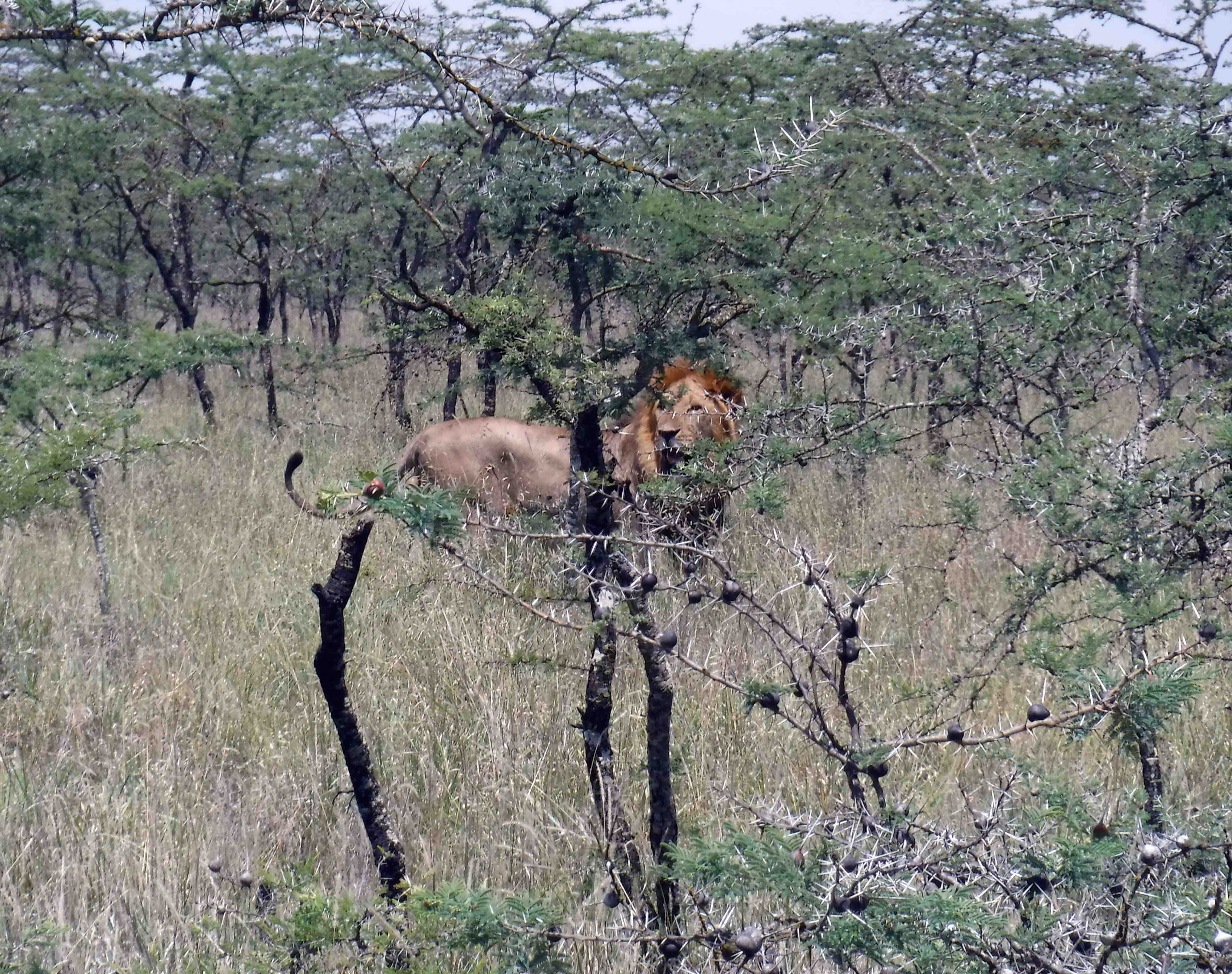
After learning about the primary producers (vegetation) and their primary consumers (herbivores), we moved on to discuss those animals higher up the food chain. Carnivores play crucial roles in ecological systems – they keep prey species’ populations in check, allowing for natural regenerating of grazed areas on the landscape. They also cull sick animals to [...]

2017-01-04T18:04:37+03:00January 29th, 2016|Field Schools, General, Spring 2016|Comments Off on Ecology week 1: The carnivores of Mpala

Ecology Week 1: Vegetation ecology at Mpala

We are experiencing an El Niño event all over the globe, seeing weather patterns that are drastically different from our seasonal norms. The Laikipia region in central Kenya is no different – in a time when it should be dry, the region has been doused with much higher rainfall than the typical average. The TBI [...]

2017-01-04T18:04:37+03:00January 27th, 2016|Field Schools, Spring 2016|Comments Off on Ecology Week 1: Vegetation ecology at Mpala

Spring 2016 Origins Field School Begins!

Welcome to the Turkana Basin Institute Field School blog. We will post weekly updates of students' adventures and will also discuss what we are all learning along the way. There are 5 modules over the next 10 weeks- Ecology, Paleontology, Geology, Human Evolution, and Archaeology. Please share with others that might be interested. In addition, check [...]

2017-01-04T18:04:37+03:00January 25th, 2016|Field Schools, Spring 2016|Comments Off on Spring 2016 Origins Field School Begins!

Spring 2015 Field School ends :(

This semester we have learned a lot....we have made lifelong friends and we have grown as an individual. We are sad to leave but it's time to move on.  Here are some pics from our last week in Turkana. One last day in Lodwar town... .  One last lunch in Lodwar at The Diner. [...]

2017-01-04T18:04:47+03:00March 30th, 2015|Field Schools, Spring 2015|Comments Off on Spring 2015 Field School ends :(

Our Fossil Ancestors in Turkana

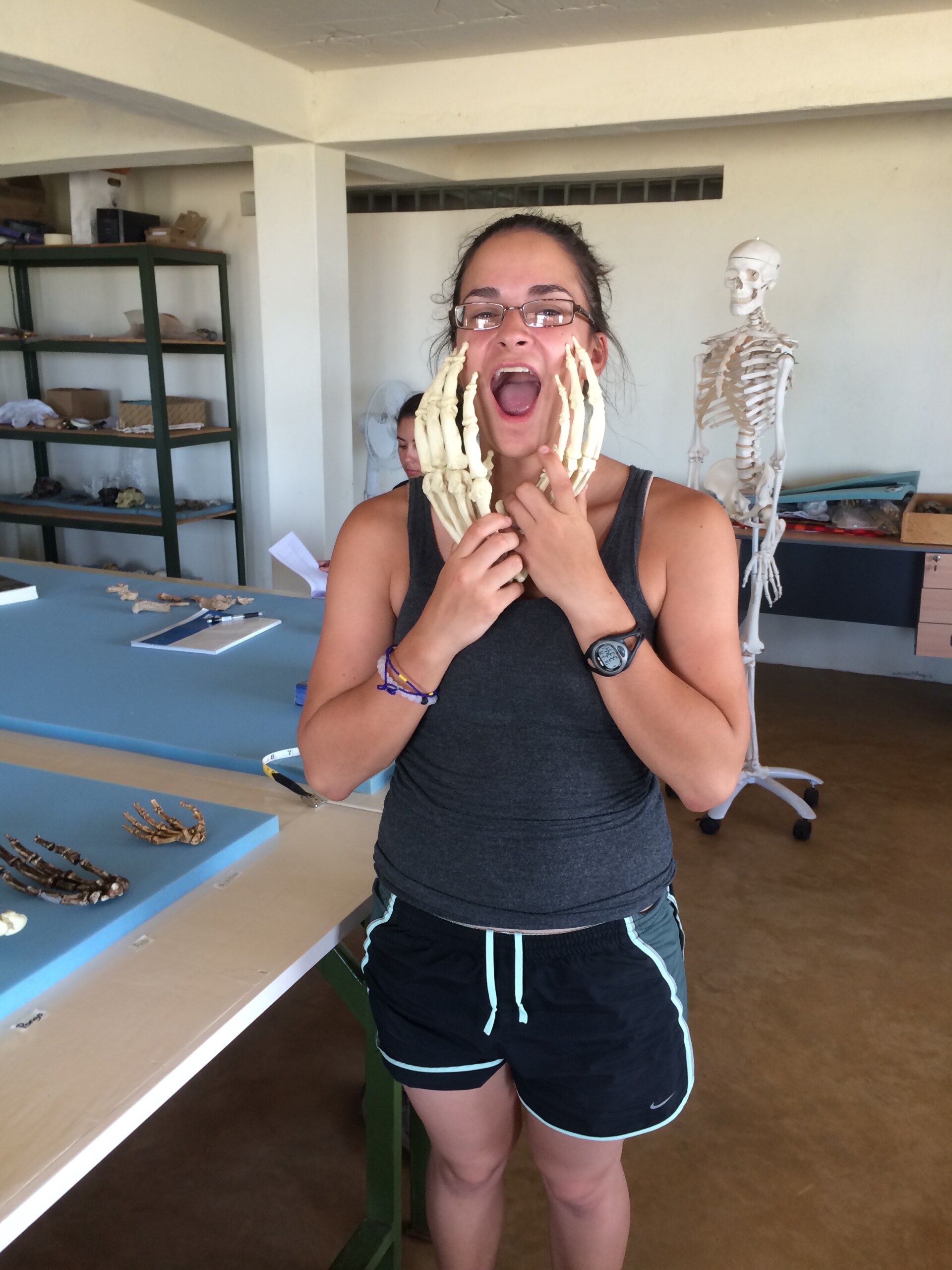
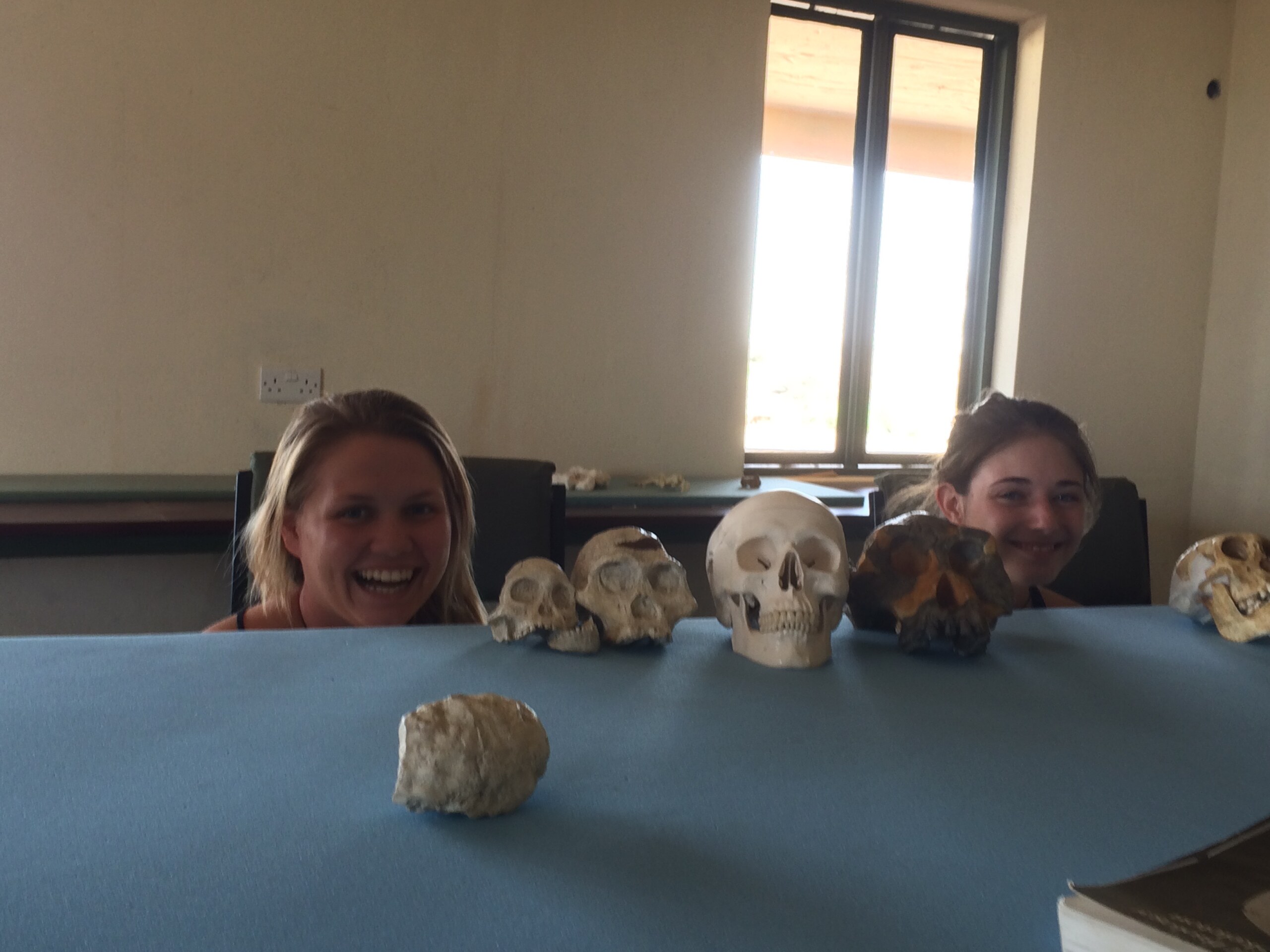
As students began their study of hominins and the evolution to bipedalism, they began their study by comparing and contrasting skeletal parts between modern humans, modern apes, and finally, our fossil ancestors. Below are pictures from students’ lab activity on parts of the skeleton of modern humans, apes, and fossil hominins. Dr. Skinner leads a [...]

2017-01-04T18:04:47+03:00March 26th, 2015|Field Schools, Spring 2015|Comments Off on Our Fossil Ancestors in Turkana

Early apes in Turkana

We have finally entered our last module on Paleoanthropology and is one of the main reason most field school students have come to the Turkana Basin Institute Field School to learn … Human Evolution! With extensive fossil deposits, the Turkana Basin is one of the most (if not #1) important regions for human prehistory. This [...]

2017-01-04T18:04:47+03:00March 21st, 2015|Field Schools, Spring 2015|Comments Off on Early apes in Turkana

Early tool-makers/geologists

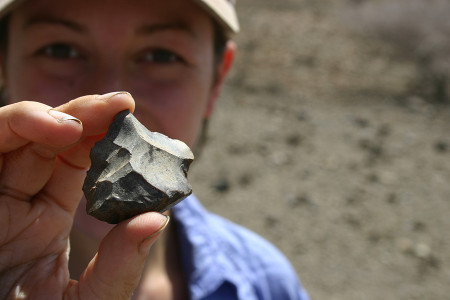
In the fields of paleoanthropology and archaeology we are not just searching for bones of our early ancestors. Instead we are seeking knowledge of our biological and technological origins and how these characteristics have changed over time. Presently, the earliest fossil bipedal hominins are between 4- 7 million years old (discussed more in the next [...]

2017-01-04T18:04:47+03:00March 13th, 2015|Field Schools, Spring 2015|Comments Off on Early tool-makers/geologists

Human activity from the Recent Past

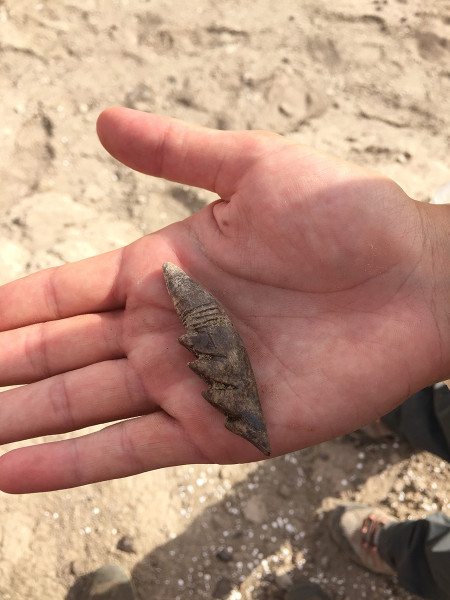
In the last 100,000 years, human behavior evolved to a lifestyle with trading, burying their deceased, fishing, more cooked food, and the creation of figurative art and better-made tools. At the end of the last glacial period (~11,700 years ago), humans were adjusting to changing environments from an overall shift in global climate. During this, [...]

2017-01-04T18:04:48+03:00March 7th, 2015|Field Schools, Spring 2015|Comments Off on Human activity from the Recent Past

Monkey see, monkey do…monkey is hungry!

In the study of archaeology, interpreting the behavior and lives of early humans and their ancestors is based on an examination of material they left behind.  Guiding the TBI students in their learning this module is Dr. Sonia Harmand, an experienced field archaeologist with expertise on early stone tools. But why would anyone study stone [...]

2017-01-04T18:04:48+03:00March 2nd, 2015|Field Schools, Spring 2015|Comments Off on Monkey see, monkey do…monkey is hungry!

Lothagam – a geologist’s wonderland

Lothagam- basaltic lava flows, lahars, faulting, volcanic ash, erosion, river channel deposits, muddy floodplains and ancient soils, lake deposits, shell beds, oyster reefs, more volcanic ash, more faults, more erosion, more deposition, and so much more! Day 1 Dylan's gazes out of the lowry as we approach Lothagam. Camping spot. [...]

2017-01-04T18:04:48+03:00February 28th, 2015|Field Schools, Spring 2015|Comments Off on Lothagam – a geologist’s wonderland

Lakes in the Turkana Basin – past, present, and future

When the Turkana Basin was not dominated by river systems, the rock record indicates several paleo-lakes occupied the region and sometimes reached over 100 kilometers away from the present lake margin. Instead of just recording the depositional environments that have occurred, a field geologist will try to determine the causes of such changes in order [...]

2017-01-04T18:04:48+03:00February 25th, 2015|Field Schools, Spring 2015|Comments Off on Lakes in the Turkana Basin – past, present, and future
Go to Top