matthewborths

About Matthew Borths

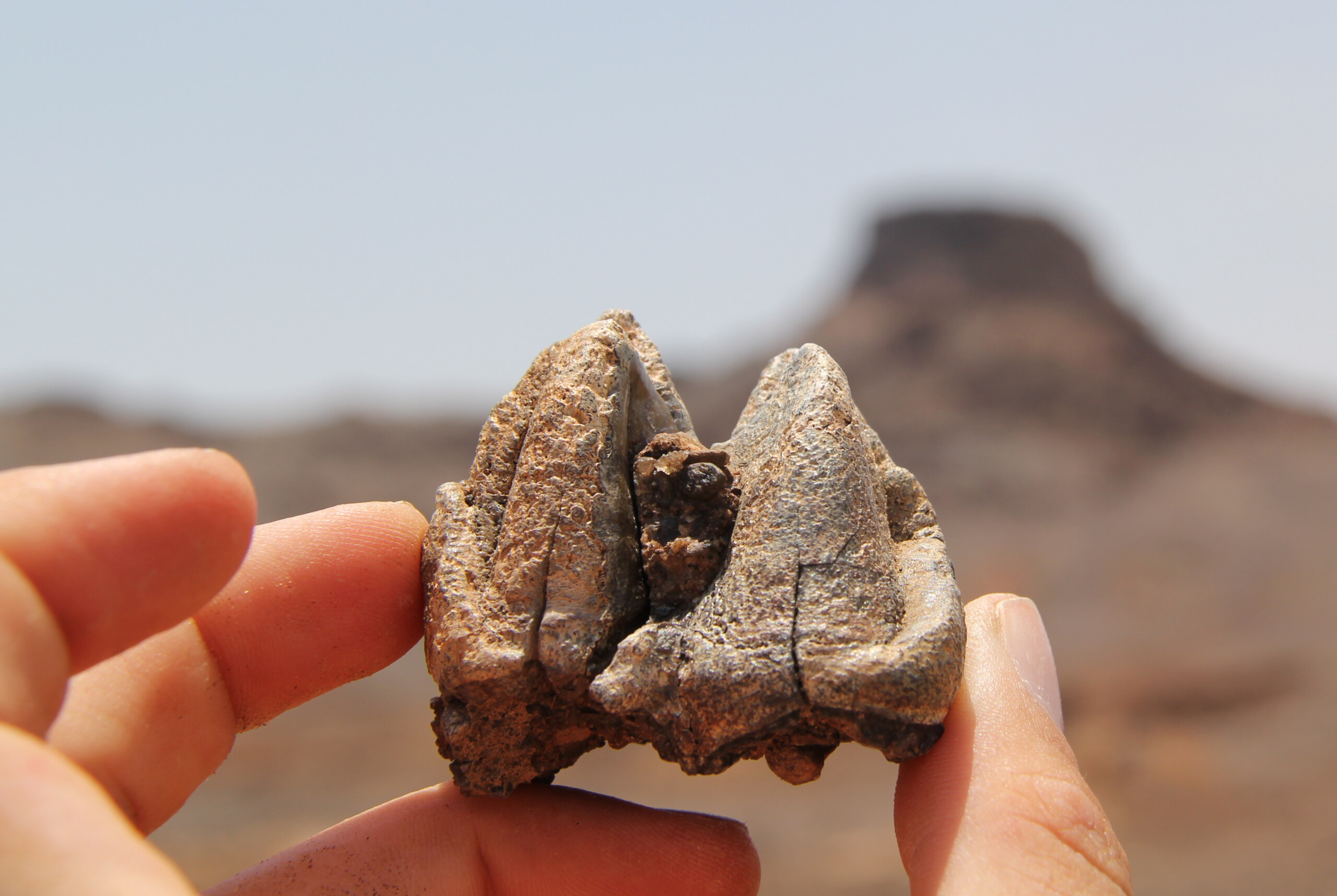
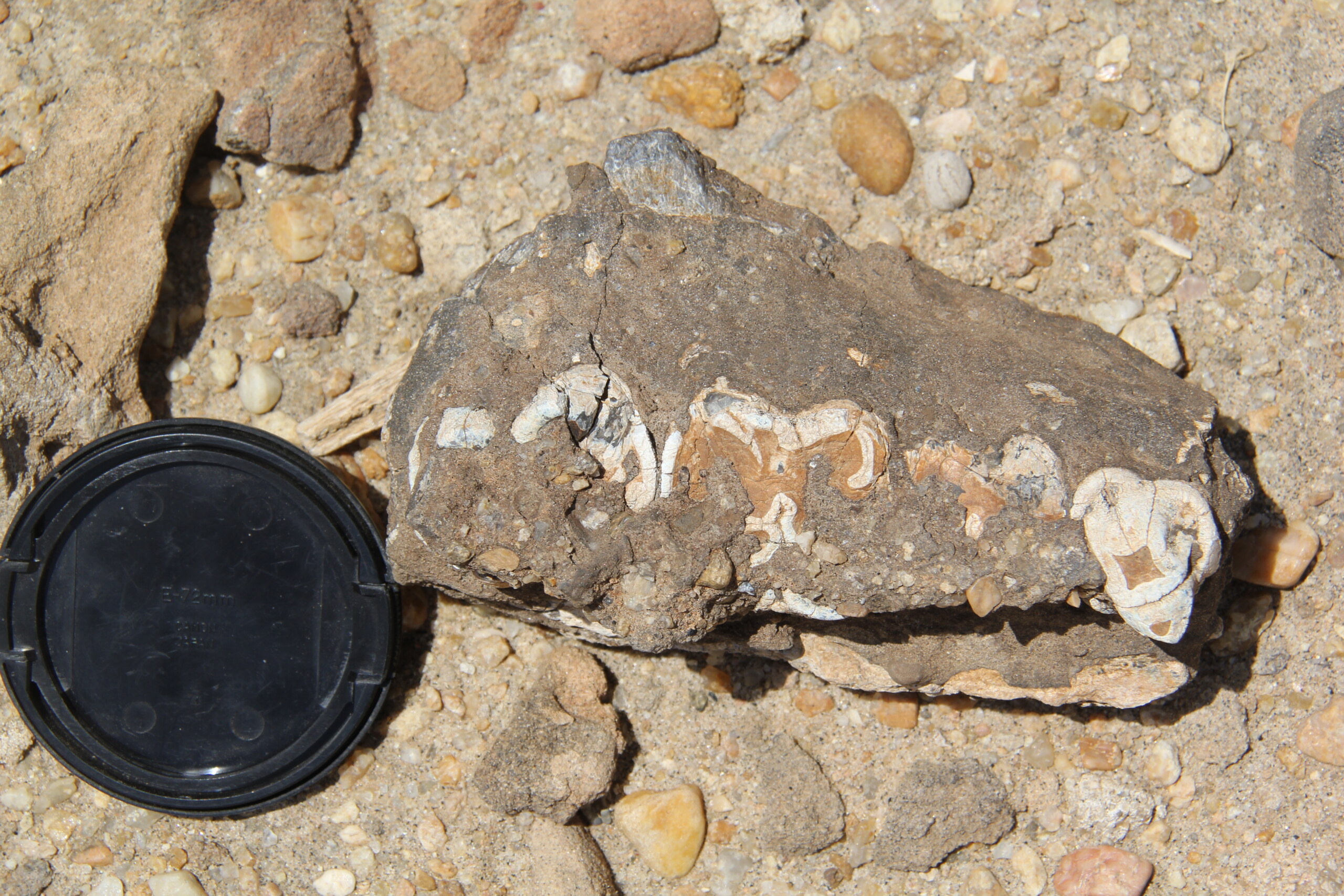
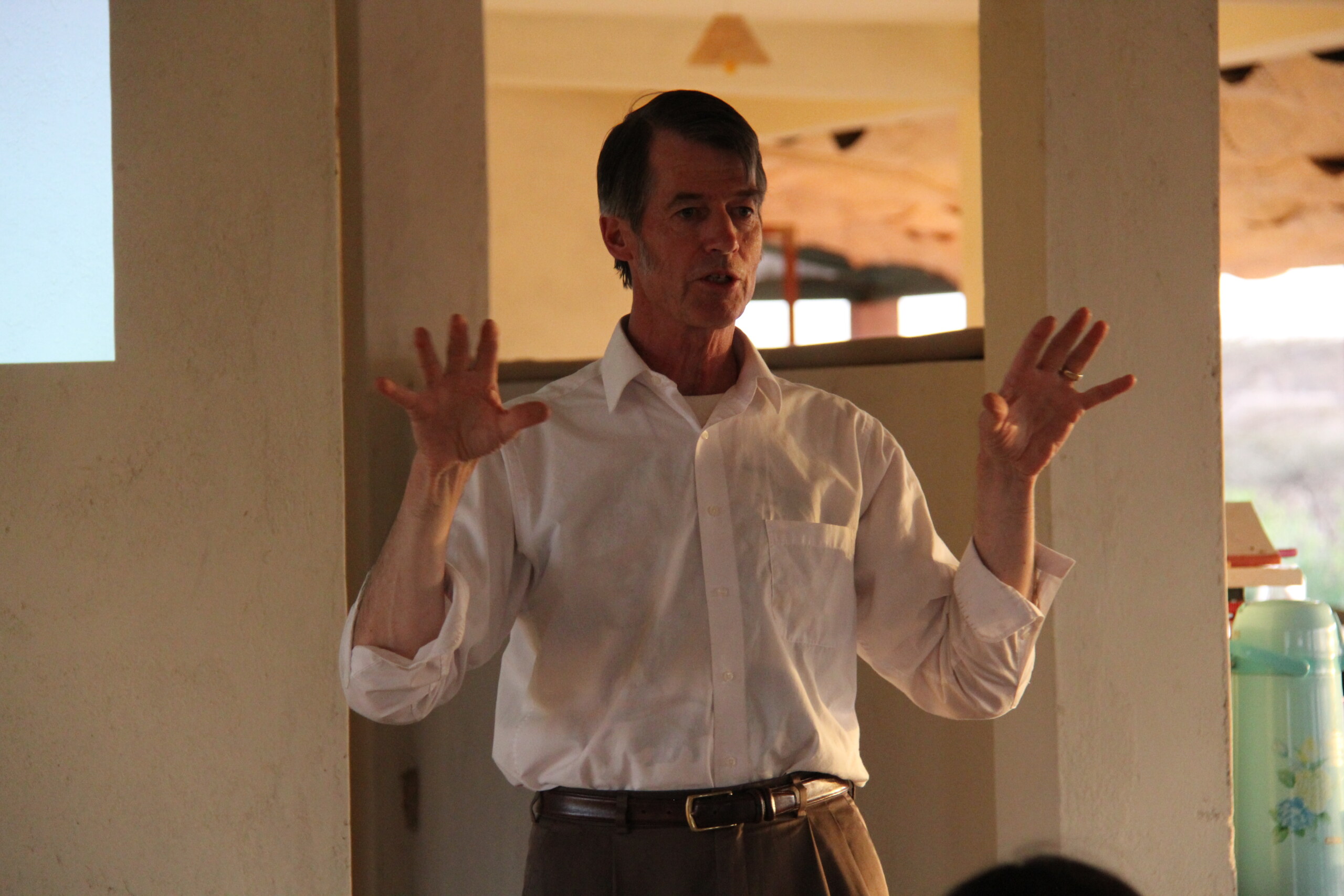
I am a graduate student in Anatomical Sciences at Stony Brook University and a Turkana Basin Fellow. I study the evolution of a group of extinct carnivorous mammals called creodonts, a group of mammals that once filled all the carnivorous niches of Africa before the continent was invaded by modern carnivores like dogs, cats, and hyenas. I was one of the teaching assistants for the Spring 2013 Field School. I'm originally from outside Cincinnati, Ohio and I did my undergraduate work at The Ohio State University where I studied Geology and Anthropology. I've done fieldwork in North Dakota, Utah, Madagascar, Egypt, Germany, Kenya and Oman.

Graduation and Goodbye

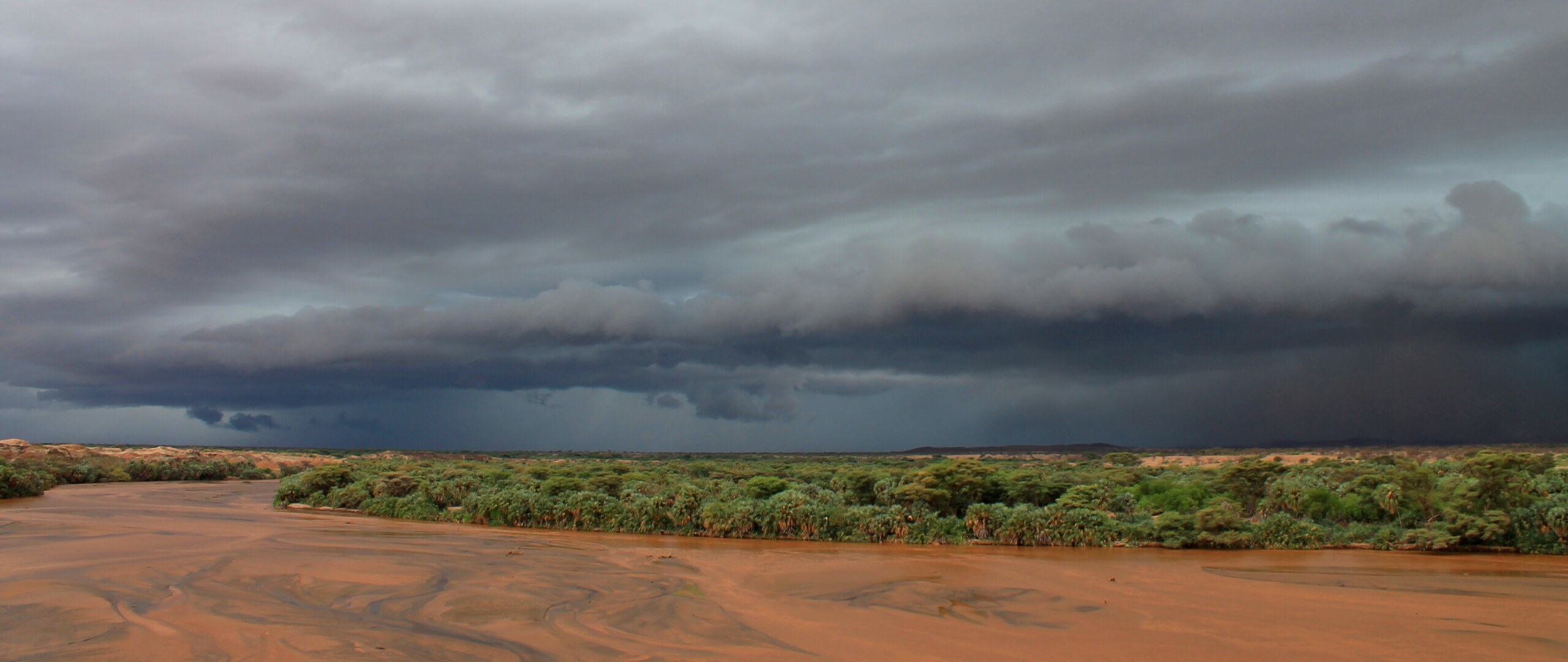
In Kenya, rain is a blessing. It is something to celebrate if you have rain on your wedding day. If rain is a blessing, then nature wanted to shower the last few days at the Turkana Basin Institute with signs that this was a blessed experience. As Dr. Matt Skinner from University College [...]

2017-01-04T18:05:07+03:00April 16th, 2013|Field Schools, General|Comments Off on Graduation and Goodbye

Lobolo and Eliye Springs: The final field for the field school

The Pleistocene is sometimes called the Ice Age, but ice was as rare 2 million years ago as it is today in the Turkana Basin. Instead the glaciers in the north caused the deserts and arid grasslands to expand as the ice advanced and the expansion of the forests when the ice retreated. Our early [...]

2017-01-04T18:05:07+03:00April 12th, 2013|Field Schools, General|Comments Off on Lobolo and Eliye Springs: The final field for the field school

Crawling to figure out how we stood

When scientists first set out to study human origins, the Victorian armchair theorists figured it was our big brains that set us apart from the animal kingdom. They expected the fossils of our earliest ancestors to have voluminous noggins but not be built for walking. This walking business would emerge after we realized how useful [...]

2017-01-04T18:05:08+03:00April 9th, 2013|Field Schools, General|Comments Off on Crawling to figure out how we stood

Basin of the Apes

Human ancestors. This is why the Turkana Basin is on the paleontological map. Sure it preserves an intact record of the grassland ecosystem taking over East Africa and the immigration and local radiation of bizarre and wonderful plants and animals, but it’s the human story that draws us to Turkana. It’s not an inexplicable bias. [...]

2017-01-04T18:05:08+03:00April 5th, 2013|Field Schools, General|Comments Off on Basin of the Apes

Independent discoveries from the fossils of Turkana

As part of the TBI Field School students get to work on new fossil material. Well, maybe not “new” in the normal sense of that word, but they get to work with material that no one else has laid hands on or thought about because it just came out of the ground a few days [...]

2017-01-04T18:05:08+03:00March 30th, 2013|Field Schools, General|Comments Off on Independent discoveries from the fossils of Turkana

Getting prepared to prep

Fossils usually aren’t very pretty when they come out of the ground. They’re usually caked in sediment or broken into tiny pieces that need to be reassembled. After they’ve been cleaned and put back together, the fossil is ready for interpretation, description, and display. Easier said than done. The process of getting a [...]

2017-01-04T18:05:08+03:00March 29th, 2013|Field Schools, General|Comments Off on Getting prepared to prep

Movin’ through the Miocene

African mammals started out weird. When the dinosaurs bowed out sixty-five million years ago after a rough season with a few Indian volcanoes and a rough weekend with an asteroid near Cancun, Africa was already a continent adrift. Much like the modern island continent of Australia, home to unique mammalian lineages like kangaroos, Tasmanian devils, [...]

2017-01-04T18:05:08+03:00March 27th, 2013|Field Schools, General|Comments Off on Movin’ through the Miocene

Paleontology off to a smashing start

The Turkana Basin if famous for preserving the fossilized remains of our bipedal ancestors. But, there are more than fossil hominins in the rocks piled up around Lake Turkana. The remains of horses, pigs, fish, hyaenas, and hippos (lots of hippos) also tumble from the rock, providing the ecological and environmental context for the evolution [...]

2017-01-04T18:05:09+03:00March 25th, 2013|Field Schools, General|Comments Off on Paleontology off to a smashing start

Life and leisure at TBI

It’s the little things that will make you worry when you sign up for something like the Turkana Basin Field School. Most of this blog has documented the stuff that might be expected. You sign up for a semester studying human evolution in Kenya and you hike through the desert, see a few zebra, pet [...]

2017-01-04T18:05:09+03:00March 20th, 2013|Field Schools, General|Comments Off on Life and leisure at TBI

Pillars of Truth(s) at Kalokol

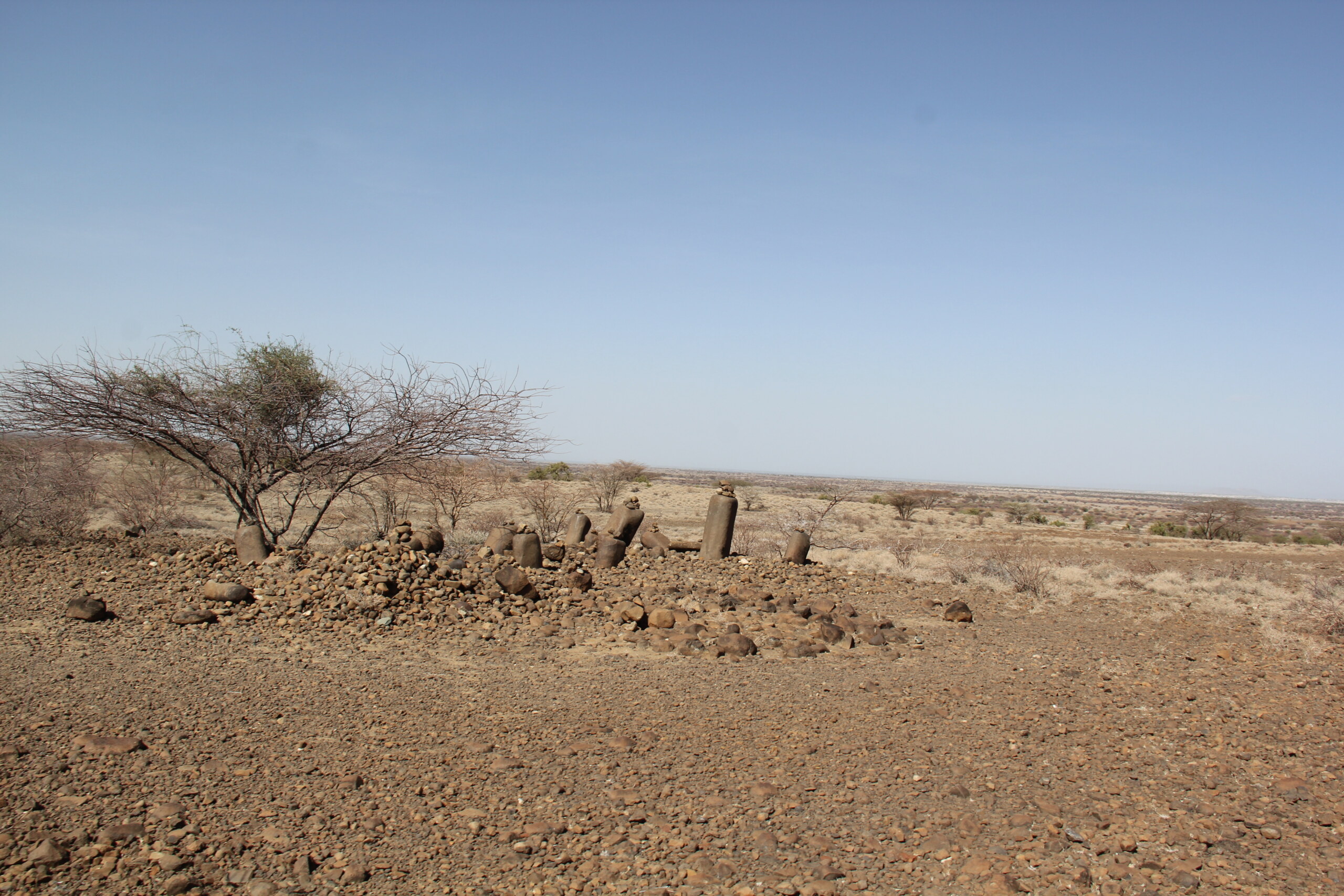
A barren, rolling landscape and a ring of stones. Evidence of mysterious ritual feasts and astrological signs. The true purpose of the site long forgotten. It’s an image that conjures up ancient Celtic druids on the English heath, but ring sites aren’t unique to the early cultures of the English Isles. The Turkana Basin has [...]

2017-01-04T18:05:09+03:00March 15th, 2013|Field Schools, General|Comments Off on Pillars of Truth(s) at Kalokol

Getting to the bottom of Kangatotha

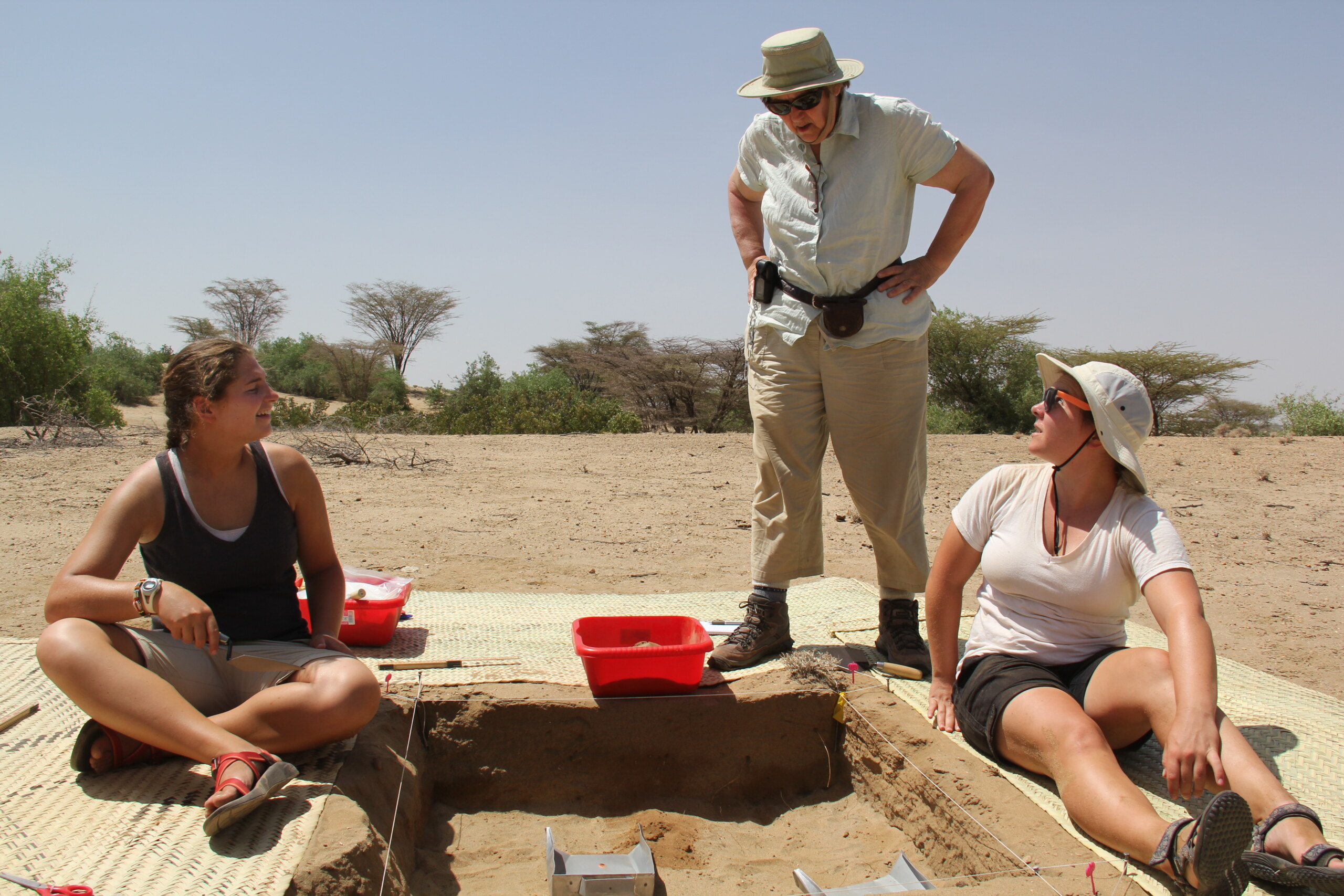
The stereotypical image of the exploratory archaeologist doesn’t include a bundle of flags and a GPS. At least not for me. Maybe it includes a whip and a few Nazi’s to fight, but a less fanciful image includes a trowel, a sieve and an exotic backdrop. Now that we had made some pretty significant discoveries [...]

2017-01-04T18:05:09+03:00March 10th, 2013|Field Schools, General|Comments Off on Getting to the bottom of Kangatotha

Survey and discovery at Kangatotha

The point of a field school is not to go to sites where the action has politely resolved itself and examine the leavings of more experienced excavators who have sorted out the story preserved underfoot. That’s what museums are for. Or maybe really well illustrated textbooks. For the Archaeology module, Dr. Alison Brooks of George [...]

2017-01-04T18:05:09+03:00March 7th, 2013|Field Schools, General|Comments Off on Survey and discovery at Kangatotha

Staking (or flagging) a claim

Where people go, they leave their trash. Since the Turkana Basin has been home to people for millions of years, there’s a lot of trash for archaeologists to pick up. The classic image of archaeology is the studious excavator sweating with trowel in hand in a meter-by-meter square trying to figure out how a piece [...]

2017-01-04T18:05:10+03:00March 5th, 2013|Field Schools, General|Comments Off on Staking (or flagging) a claim

Preparing a Paleolithic Barbeque

The Turkana Basin Field school has switched timescales again. In ecology we were learning about the rapid impact modern humans are having on our environment, particularly in the Turkana Basin. In Geology we stepped way back to take a longer view of the basin’s evolution, starting with the Cretaceous rocks of the Basin (about 70 [...]

2017-01-04T18:05:10+03:00February 28th, 2013|Field Schools, General|Comments Off on Preparing a Paleolithic Barbeque

Lothagam: Studying rivers while surviving deserts

Lothagam was too expansive, too important, and just too beautiful to be limited to a one-day visit or one blog post. As usual, the students rose with the dawn, the red rocks of Lothagam radiant with scarlet light. Quickly the nets and bedrolls were packed away, boots were laced, sunscreen applied, and we [...]

2017-01-04T18:05:10+03:00February 24th, 2013|Field Schools, General|Comments Off on Lothagam: Studying rivers while surviving deserts

Lothagam: Red Rocks and Honey Badgers

Lothagam isn’t a name that comes up very often in Physical Anthropology classes. It wasn’t a name a lot of the students on the field school knew before they came out to TBI. But over the last few weeks there was a building drumbeat: Lothagam: the lonely hill on a distant horizon. Lothagam: the oldest [...]

2017-01-04T18:05:10+03:00February 20th, 2013|Field Schools, General|Comments Off on Lothagam: Red Rocks and Honey Badgers

Defining the Holocene-“Anthropocene” boundary

Geology is often viewed as the study of the past, of what happened to get the planet to this point. But many geologists are equally interested in the future, using information collected on climatic, tectonic, and biological change to figure out where the planet is headed. Dr. Bob Raynolds, research associate Denver Museum of Nature [...]

2017-01-04T18:05:10+03:00February 17th, 2013|Field Schools, General|Comments Off on Defining the Holocene-“Anthropocene” boundary

When Lake Turkana busted its banks

The shifting scale of geological inquiry can give you spatial and temporal whiplash. You go from scrutinizing a tiny quartz crystal to trying to sort out the arrival of a massive inland sea or go from contemplating a single layer of ash that took a few minutes to fall to an entire formation that took [...]

2017-01-04T18:05:11+03:00February 13th, 2013|Field Schools, General|Comments Off on When Lake Turkana busted its banks

The Geologist’s Toolkit

Geology is the foundation science. Pun intended. It is the study of how everything we can lay hands on came to be. Geology draws from every investigative discipline – physics, chemistry, biology, anthropology and a lot more ologies – to examine the wheres, whens, and whys of mountains, water, and us. But before a geologist [...]

2017-01-04T18:05:11+03:00February 12th, 2013|Field Schools, General|Comments Off on The Geologist’s Toolkit

Ecological explosions and volcanic diversity

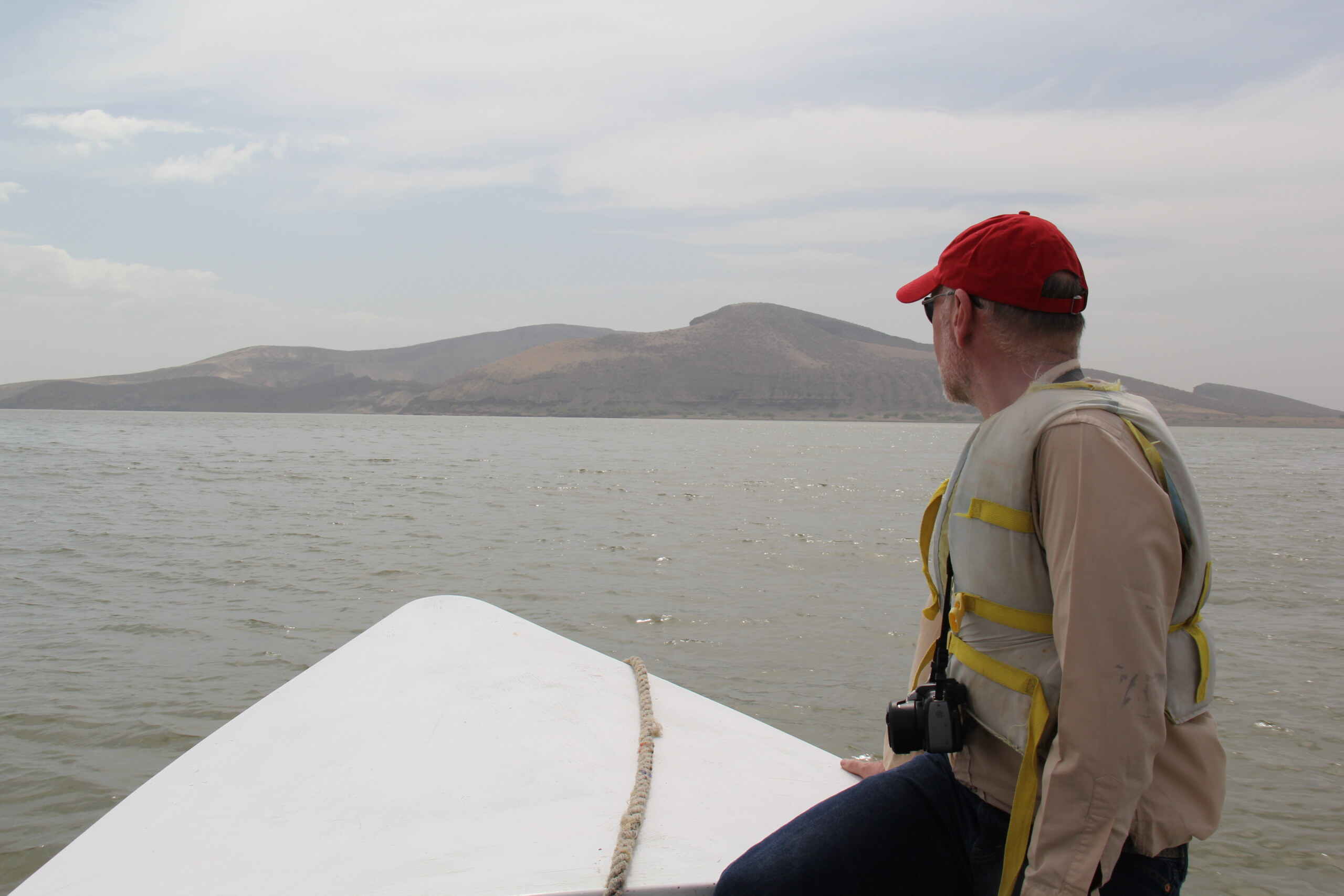
In the middle of Lake Turkana, an experiment is taking place without a single person touching a pipette or checking their controls. The open-air lab is called Central Island, and few people have had the opportunity to watch the experiment in action.

2017-01-04T18:05:11+03:00February 8th, 2013|Field Schools|Comments Off on Ecological explosions and volcanic diversity
Go to Top