turk@n@b@sinhB3d1x

About Turkana Basin Institute

This author has not yet filled in any details.
So far Turkana Basin Institute has created 611 blog entries.

Ecology Week 1: Vegetation ecology at Mpala

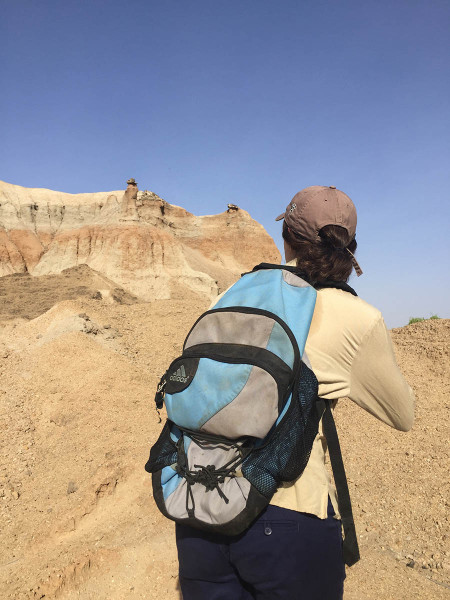
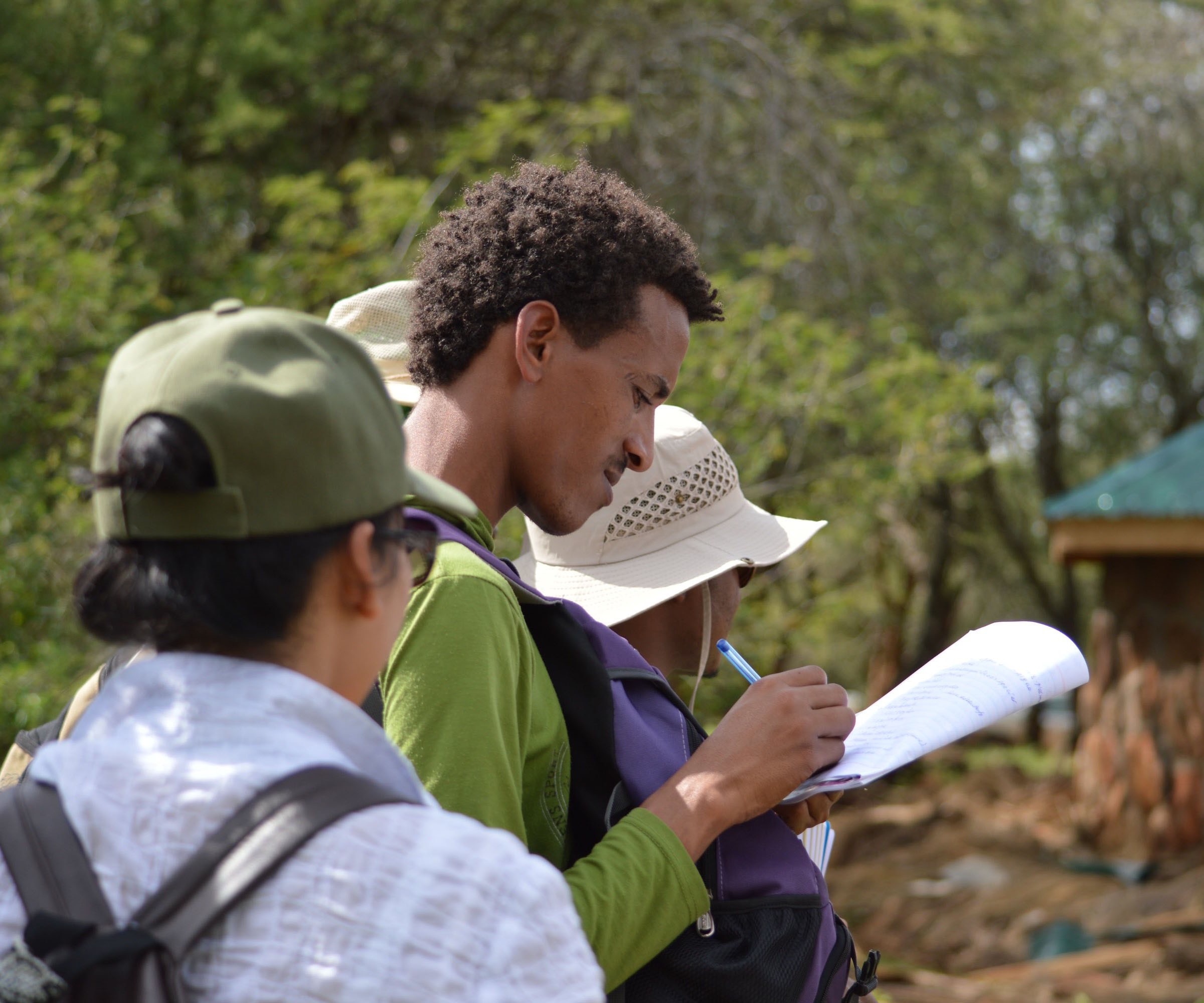
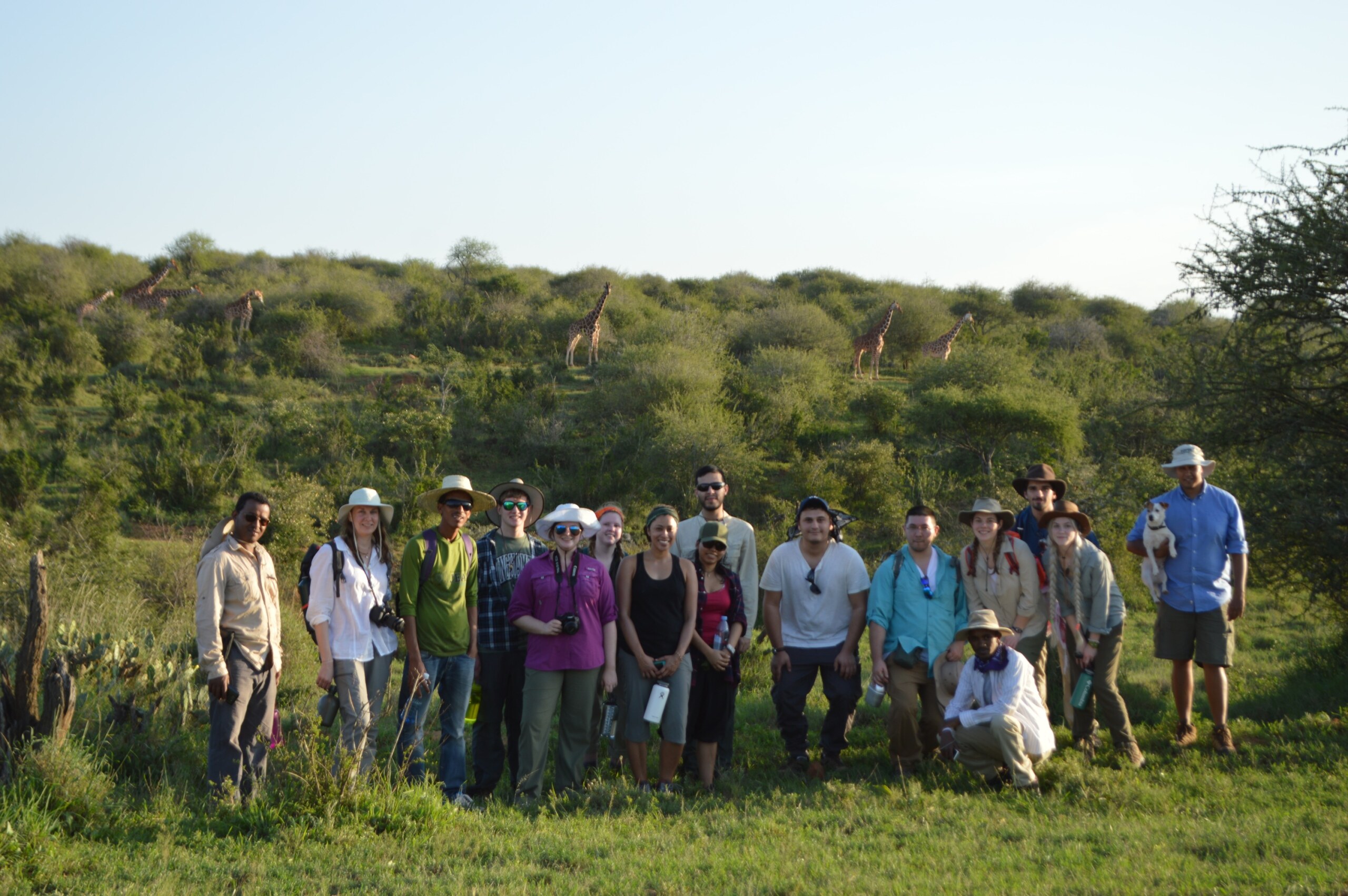
We are experiencing an El Niño event all over the globe, seeing weather patterns that are drastically different from our seasonal norms. The Laikipia region in central Kenya is no different – in a time when it should be dry, the region has been doused with much higher rainfall than the typical average. The TBI [...]
2017-01-04T18:04:37+03:00January 27th, 2016|Field Schools, Spring 2016|Comments Off on Ecology Week 1: Vegetation ecology at Mpala

Spring 2016 Origins Field School Begins!

Welcome to the Turkana Basin Institute Field School blog. We will post weekly updates of students' adventures and will also discuss what we are all learning along the way. There are 5 modules over the next 10 weeks- Ecology, Paleontology, Geology, Human Evolution, and Archaeology. Please share with others that might be interested. In addition, check [...]

2017-01-04T18:04:37+03:00January 25th, 2016|Field Schools, Spring 2016|Comments Off on Spring 2016 Origins Field School Begins!

Evidence of a prehistoric massacre extends the history of warfare

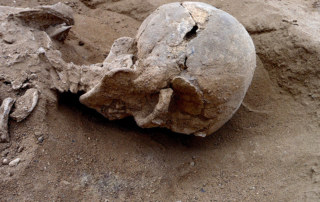
Skeletal remains of a group of foragers massacred around 10,000 years ago, on the shores of a lagoon in what is now southwestern Turkana, is unique evidence of a violent encounter between clashing groups of ancient hunter-gatherers, and suggests the “presence of warfare” in late Stone Age foraging societies. The fossilised bones of a group [...]

2017-01-04T18:04:38+03:00January 20th, 2016|Featured|Comments Off on Evidence of a prehistoric massacre extends the history of warfare

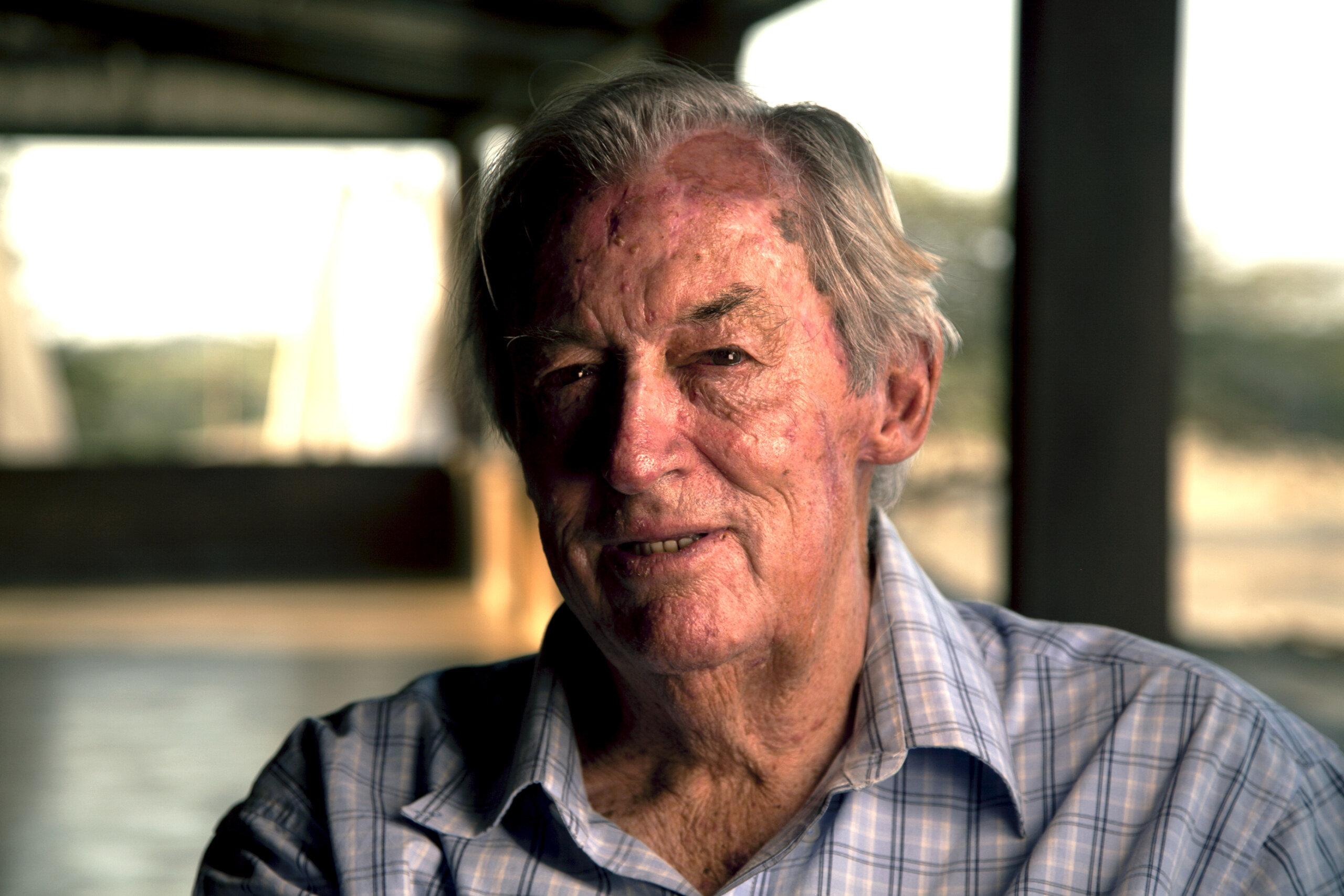
In conversation with Richard Leakey

Journalist and presenter Zeinab Badawi (BBC) will be conversing with Richard Leakey as he reflects on his life's work at the Royal Society in London next Wednesday, October 21 at 6:30 PM London time (1:30 PM EST). Leakey's career over the past fifty years has spanned paleoanthropology, wildlife conservation and campaigning for political justice. This [...]

2017-01-04T18:04:40+03:00October 16th, 2015|Events|Comments Off on In conversation with Richard Leakey

New website enables online fossil hunting

The Turkana Basin Institute, in collaboration with the University of Bradford, has set up a web site fossilfinder.org, recruiting an army of ‘citizen scientists’ to help discover fossils and other ancient artefacts using the unique online platform “Zooniverse”. fOssilfinder.org is a pioneering project, funded in part by the Arts and Humanities Research Council, enabling amateur [...]

2017-01-04T18:04:41+03:00September 8th, 2015|Featured|Comments Off on New website enables online fossil hunting

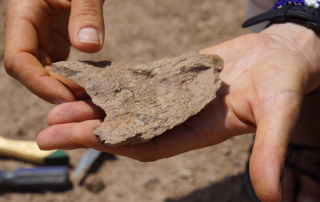
Oldest Stone Artifacts Found in Kenya’s Turkana Basin

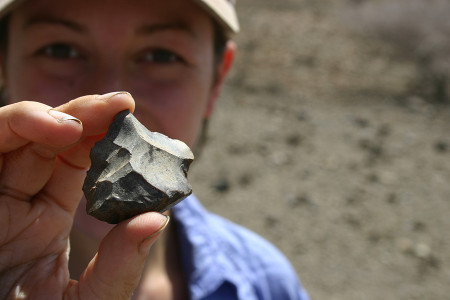
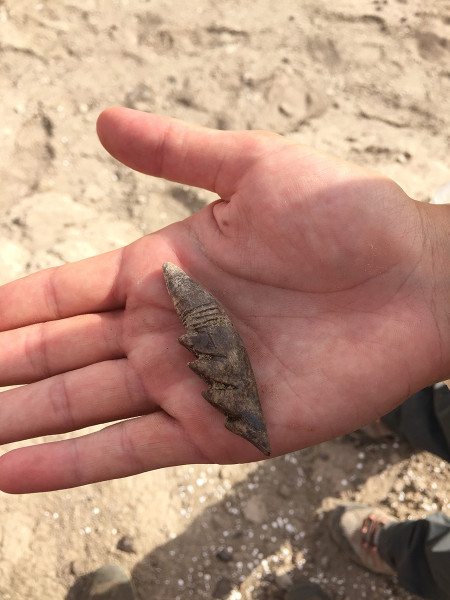
The West Turkana Archaeological Project team has found the earliest known stone artifacts, dating to 3.3 million years ago. The discovery pushes back the beginning of the archaeological record by 700,000 years, or by over a quarter of humanity's previously-known material cultural history.

2017-01-04T18:04:41+03:00May 18th, 2015|Featured|Comments Off on Oldest Stone Artifacts Found in Kenya’s Turkana Basin

Ancient Homo fossils discovered in Kenya

Discovered near the village of Ileret (shown on map) in northern Kenya, 3 new hominin individuals were announced on March 27. New hominin fossils from the Turkana Basin were announced on March 27 at the 2015 annual meeting of the American Association of Physical Anthropologists in St. Louis, MO. These fossils, representing 3 individuals of the genus [...]

2017-01-04T18:04:42+03:00April 28th, 2015|Featured|Comments Off on Ancient Homo fossils discovered in Kenya

Spring 2015 Field School ends :(

This semester we have learned a lot....we have made lifelong friends and we have grown as an individual. We are sad to leave but it's time to move on.  Here are some pics from our last week in Turkana. One last day in Lodwar town... .  One last lunch in Lodwar at The Diner. [...]

2017-01-04T18:04:47+03:00March 30th, 2015|Field Schools, Spring 2015|Comments Off on Spring 2015 Field School ends :(

Our Fossil Ancestors in Turkana

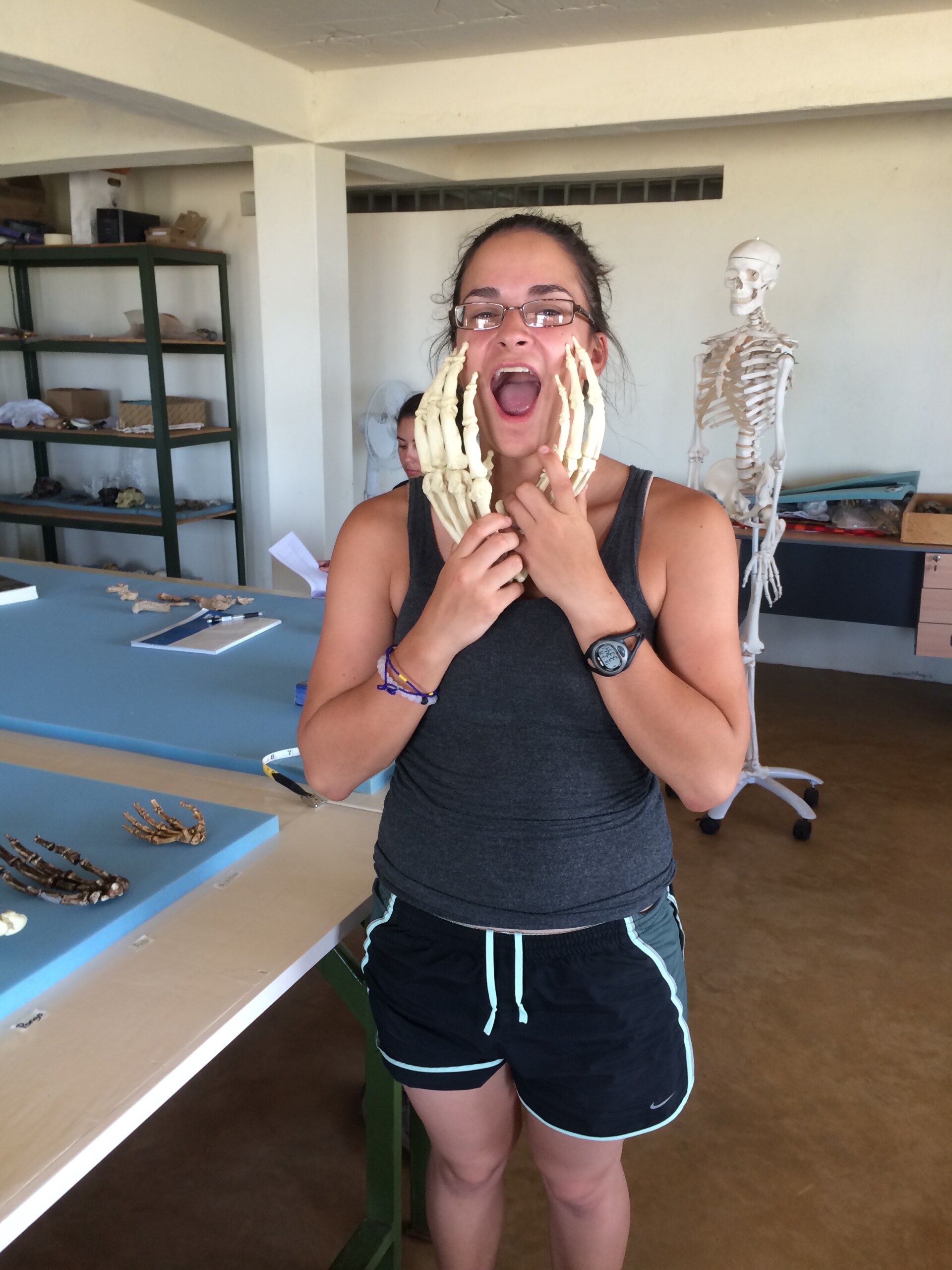
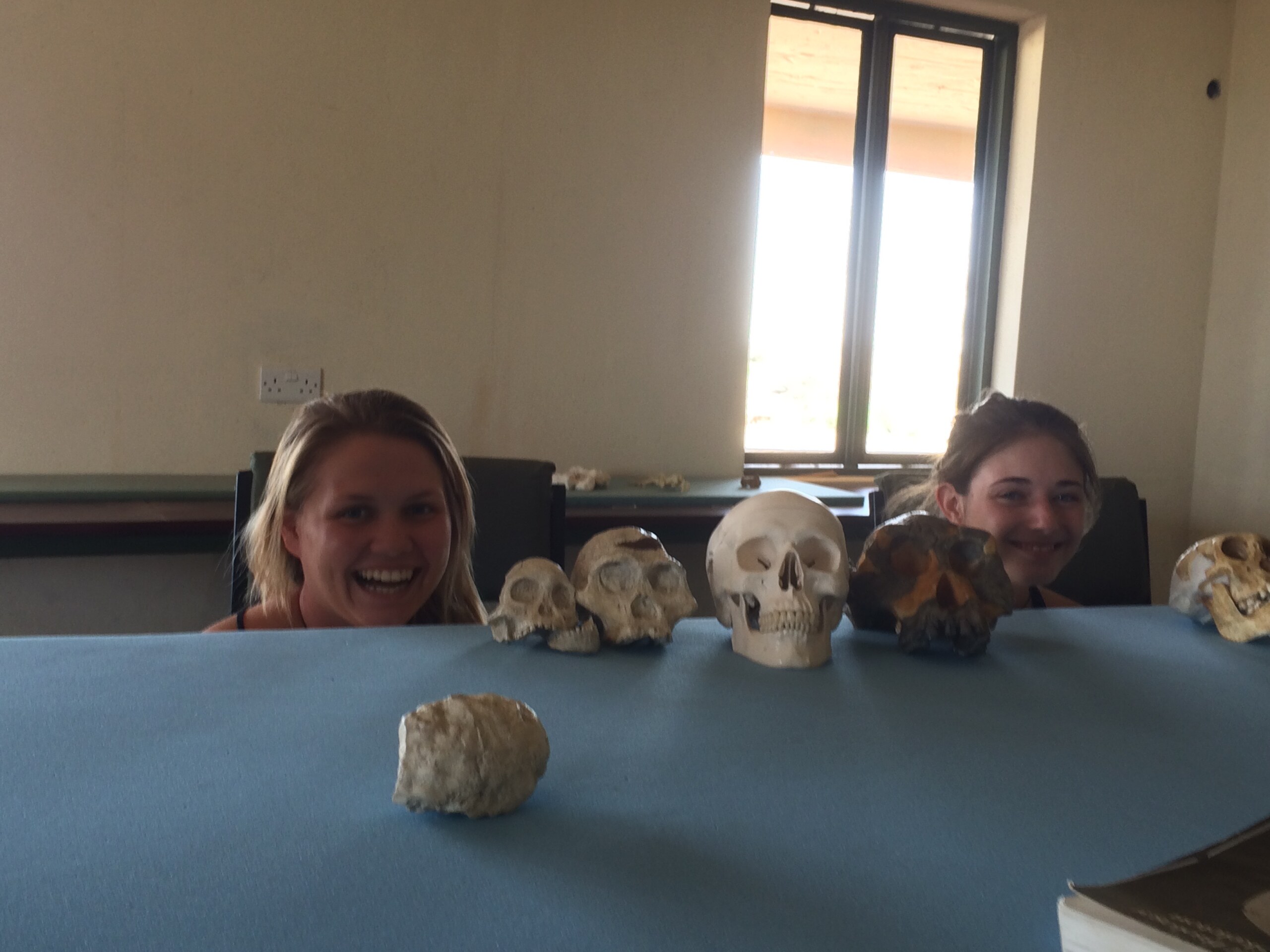
As students began their study of hominins and the evolution to bipedalism, they began their study by comparing and contrasting skeletal parts between modern humans, modern apes, and finally, our fossil ancestors. Below are pictures from students’ lab activity on parts of the skeleton of modern humans, apes, and fossil hominins. Dr. Skinner leads a [...]

2017-01-04T18:04:47+03:00March 26th, 2015|Field Schools, Spring 2015|Comments Off on Our Fossil Ancestors in Turkana

Early apes in Turkana

We have finally entered our last module on Paleoanthropology and is one of the main reason most field school students have come to the Turkana Basin Institute Field School to learn … Human Evolution! With extensive fossil deposits, the Turkana Basin is one of the most (if not #1) important regions for human prehistory. This [...]

2017-01-04T18:04:47+03:00March 21st, 2015|Field Schools, Spring 2015|Comments Off on Early apes in Turkana

Early tool-makers/geologists

In the fields of paleoanthropology and archaeology we are not just searching for bones of our early ancestors. Instead we are seeking knowledge of our biological and technological origins and how these characteristics have changed over time. Presently, the earliest fossil bipedal hominins are between 4- 7 million years old (discussed more in the next [...]

2017-01-04T18:04:47+03:00March 13th, 2015|Field Schools, Spring 2015|Comments Off on Early tool-makers/geologists

Human activity from the Recent Past

In the last 100,000 years, human behavior evolved to a lifestyle with trading, burying their deceased, fishing, more cooked food, and the creation of figurative art and better-made tools. At the end of the last glacial period (~11,700 years ago), humans were adjusting to changing environments from an overall shift in global climate. During this, [...]

2017-01-04T18:04:48+03:00March 7th, 2015|Field Schools, Spring 2015|Comments Off on Human activity from the Recent Past

Monkey see, monkey do…monkey is hungry!

In the study of archaeology, interpreting the behavior and lives of early humans and their ancestors is based on an examination of material they left behind.  Guiding the TBI students in their learning this module is Dr. Sonia Harmand, an experienced field archaeologist with expertise on early stone tools. But why would anyone study stone [...]

2017-01-04T18:04:48+03:00March 2nd, 2015|Field Schools, Spring 2015|Comments Off on Monkey see, monkey do…monkey is hungry!

Lothagam – a geologist’s wonderland

Lothagam- basaltic lava flows, lahars, faulting, volcanic ash, erosion, river channel deposits, muddy floodplains and ancient soils, lake deposits, shell beds, oyster reefs, more volcanic ash, more faults, more erosion, more deposition, and so much more! Day 1 Dylan's gazes out of the lowry as we approach Lothagam. Camping spot. [...]

2017-01-04T18:04:48+03:00February 28th, 2015|Field Schools, Spring 2015|Comments Off on Lothagam – a geologist’s wonderland

Lakes in the Turkana Basin – past, present, and future

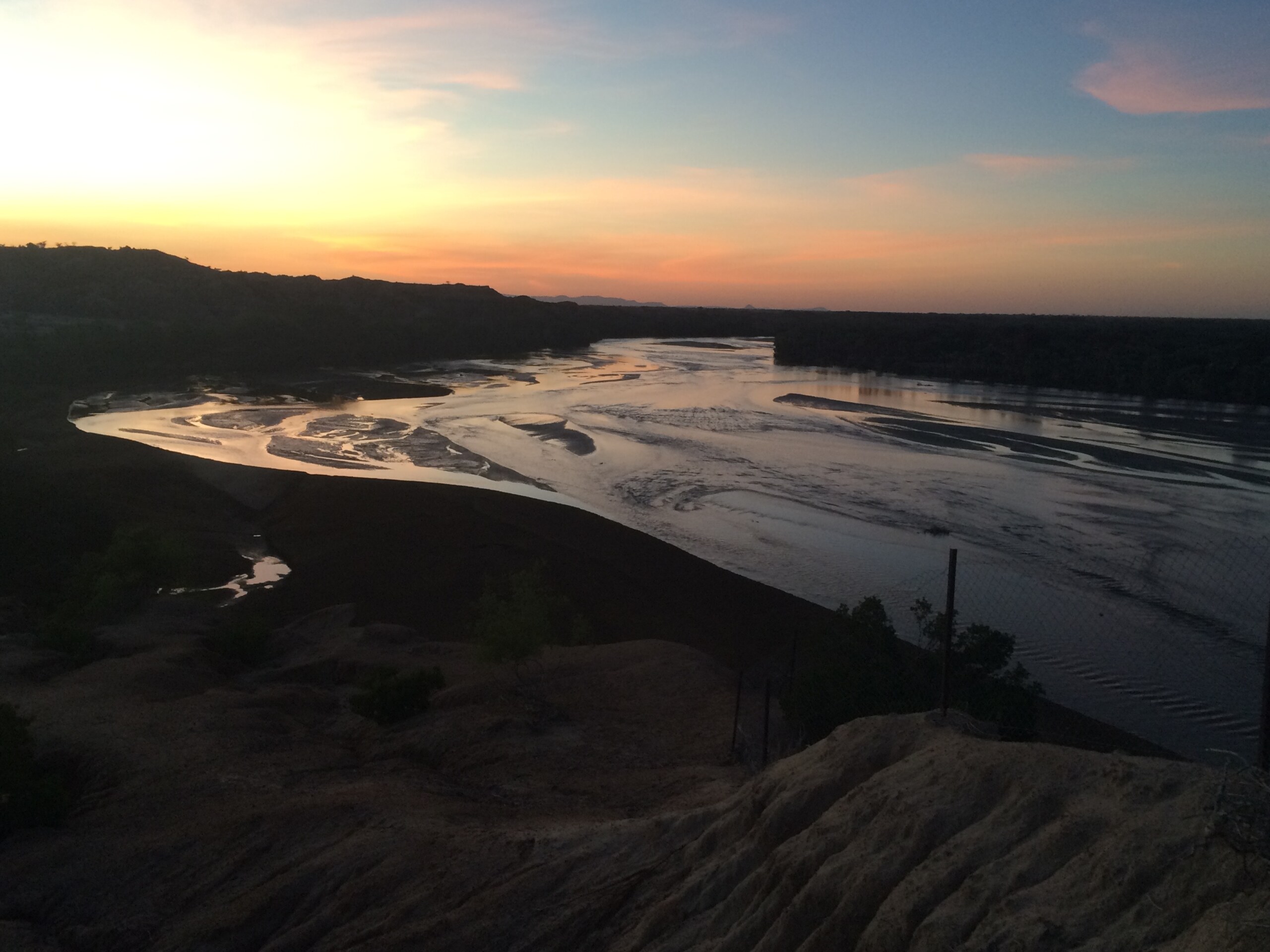
When the Turkana Basin was not dominated by river systems, the rock record indicates several paleo-lakes occupied the region and sometimes reached over 100 kilometers away from the present lake margin. Instead of just recording the depositional environments that have occurred, a field geologist will try to determine the causes of such changes in order [...]

2017-01-04T18:04:48+03:00February 25th, 2015|Field Schools, Spring 2015|Comments Off on Lakes in the Turkana Basin – past, present, and future

Rivers- past and present

Interpreting and reconstructing depositional environments of the past involves an understanding of modern processes acting on the Earth surface that can form a particular rock and/or sequence of rock layers. In the Turkana Basin, the bulk of the last 4 million years are made up of ancient river deposits. One river in particular, the Omo, [...]

2017-01-04T18:04:49+03:00February 25th, 2015|Field Schools, Spring 2015|Comments Off on Rivers- past and present

Map it!

The rock record of the Turkana Basin contains a history of tectonic movement, volcanic activity, and climatic alterations that have all affected precipitation patterns, river systems, lake levels, and more. Understanding these morphological changes provides a more complete picture and possible factors that have affected early life in this region. Vital to this research are maps and [...]

2017-01-04T18:04:49+03:00February 24th, 2015|Field Schools, Spring 2015|Comments Off on Map it!

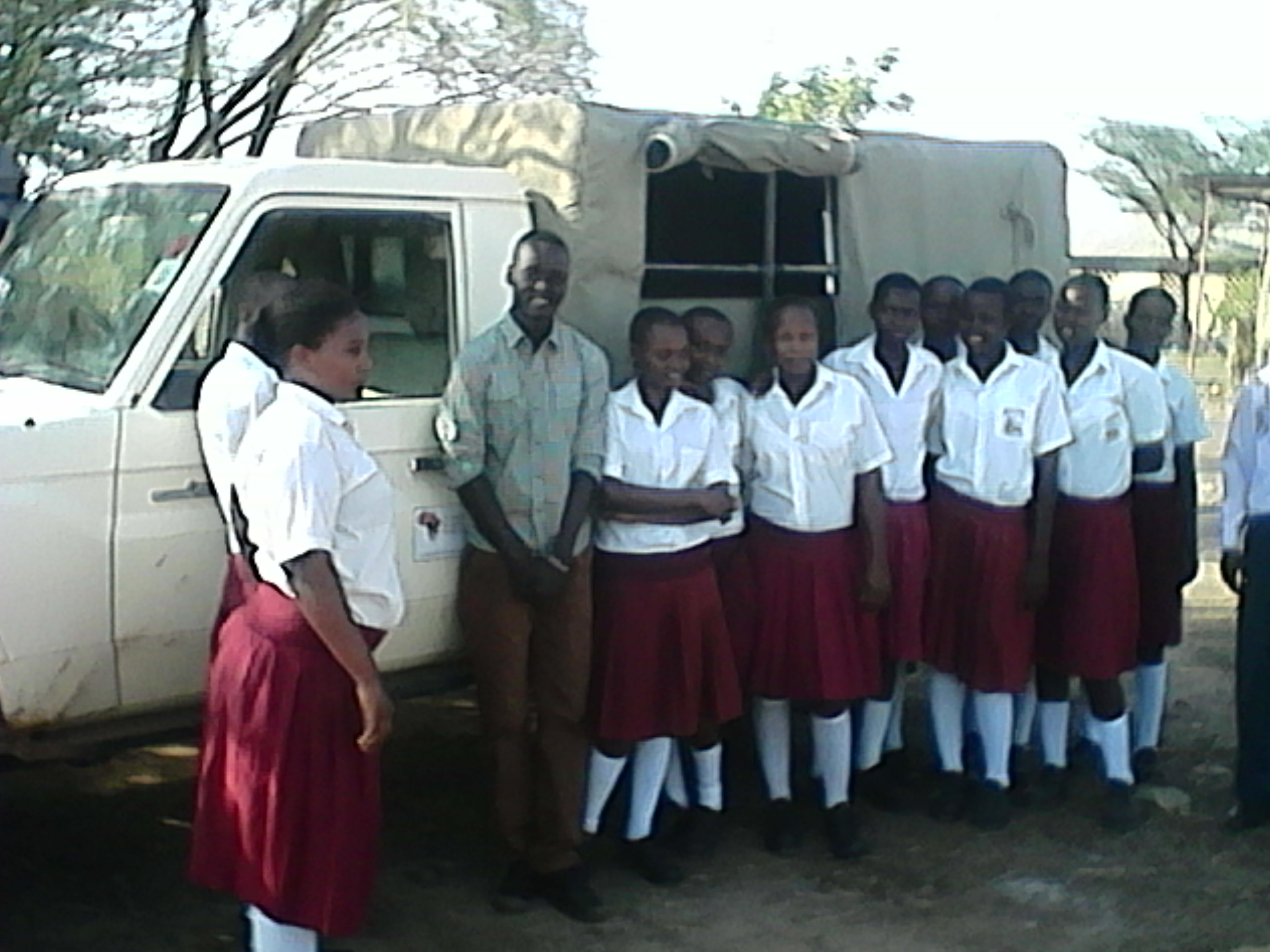
Local Turkana students visit researchers at TBI

The Turkana Basin Institute (TBI) is not only a non-profit organization interested in scientific research in the Lake Turkana region, in addition, TBI works closely with local communities on health and education. The vast majority of the people (population near 900,000) that live on this semi-arid, harsh environment are nomadic pastoralists with cares focused on [...]

2017-01-04T18:04:49+03:00February 23rd, 2015|Field Schools, Local Community Outreach, Spring 2015|Comments Off on Local Turkana students visit researchers at TBI

I want to be a paleontologist!

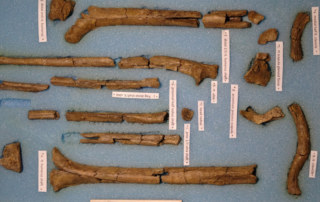
In the past week, we have learned about a variety of animals* and how the habitat has changed in the ancient Turkana Basin. *Note: There are many more species of animals (including hominins) that are still "waiting" to be unearthed and will help our understanding of life on the past landscape. In addition, not everything that [...]

2017-01-04T18:04:49+03:00February 13th, 2015|Field Schools, Spring 2015|Comments Off on I want to be a paleontologist!
Go to Top