hilaryduke

About Hilary Duke

I am a Ph.D. candidate at Stony Brook University, NY and have the pleasure of being the Resident Academic Director of the TBI Origins field school for Spring 2017. I study Early Pleistocene stone tool technology, and have been conducting research in Turkana since 2012. My dissertation research uses an experimental approach investigating when and how human ancestors started creating patterned shapes in their stone tools (< 2 million years ago).

TBI Origins Field School Spring 2017 Begins!

Welcome to the Turkana Basin Institute field school blog Spring 2017! As the Resident Academic Director for the field school, I will be accompanying the students, TA's and instructors throughout all of the field school modules. It is my goal to ensure that the students have an incredible learning experience that they will carry with [...]
2017-06-04T16:57:28+03:00January 23rd, 2017|Field Schools, Spring 2017|Comments Off on TBI Origins Field School Spring 2017 Begins!

Congratulations to the Spring 2016 TBI Field School Graduates

Finally we bring the Spring 2016 TBI Field School to a close. The students have learned and accomplished so much during these 10 weeks. More importantly, they've made friends and memories that will surely last a lifetime. The students have gained a huge breadth of knowledge through many hours of studying, researching, hiking and exploring. [...]

2017-01-04T18:04:34+03:00April 3rd, 2016|Field Schools, Spring 2016|Comments Off on Congratulations to the Spring 2016 TBI Field School Graduates

A site tour around Nariokotome, the archaeology of the Holocene, and a bit of digging in the dirt

The Early Pleistocene archaeological sites on the west side of Late Turkana are some of the richest areas for early hominin behavioral research in the world. Dozens of sites provide large quantities of stone tools made on a range of different raw materials. Intensive archaeologists studies in this area attempt to reconstruct hominin movements and [...]

2017-01-04T18:04:35+03:00April 1st, 2016|Field Schools, Spring 2016|Comments Off on A site tour around Nariokotome, the archaeology of the Holocene, and a bit of digging in the dirt

Making, using, and understanding stone tools

We switched our focus in the Archaeology module back to the Stone Age, starting with some hands-on learning about ancient stone tool technology. Understanding stone tools by simply observing archaeological artifacts is a tricky thing - even seeing that these objects are artifacts can be challenging if you don't have years of experience. Many archaeologists have [...]

2017-01-04T18:04:35+03:00March 27th, 2016|Field Schools, Spring 2016|Comments Off on Making, using, and understanding stone tools

A visit from Richard and Meave Leakey and Kenyan cultural heritage

Profs. Richard and Meave Leakey stopped by TBI Turkwel for a visit with the field school students in between the end of the Paleoanthropology module and the start of Archaeology. The students have come a long way in this field school and were excited to hear from Prof. Leakey about his work and life in [...]

2017-01-04T18:04:35+03:00March 18th, 2016|Field Schools, Spring 2016|Comments Off on A visit from Richard and Meave Leakey and Kenyan cultural heritage

Human evolution: from elusive origins to human diversity in the present

We made it across to the west side of Lake Turkana on March 6th. Having learned about the ecology, paleontology and geology of the basin from an east side perspective, we were excited to learn about what the west side has to offer. Many important paleoanthropological and archaeological discoveries were made in areas on the [...]

2017-01-04T18:04:35+03:00March 18th, 2016|Field Schools, Spring 2016|Comments Off on Human evolution: from elusive origins to human diversity in the present

Overnight trip to Koobi Fora

Nearing the end of the Geology module, we all set out for an overnight trip to the famous Koobi Fora camp area. The Koobi Fora area is historically significant for human origins research, most notably a hot spot for this discipline since the beginning of Drs. Richard and Meave Leakey's research in the 1960's and 70's. [...]

2017-01-04T18:04:35+03:00March 5th, 2016|Field Schools, Spring 2016|Comments Off on Overnight trip to Koobi Fora

The Karari ridge, mapping, and stratigraphic sections

Part of learning about the geology of the Turkana basin is to visit and examine rock exposures related to archaeological and fossil sites and how to interpret the former landscape of past life.  For this next part of the field school, Dr. Feibel told of the geologic history and gave us a tour of the [...]

2017-01-04T18:04:36+03:00March 1st, 2016|Field Schools, Spring 2016|Comments Off on The Karari ridge, mapping, and stratigraphic sections

Shaping the Turkana Basin: river and lake systems

It might seem impossible, but one of the most important forces of nature changing the landscape in the Turkana Basin is water. The Turkana Basin environment is arid, but even today water moves sediments around, shaping the geology of the area. Many wet and dry cycles have impacted the Turkana Basin – both on annual [...]

2017-01-04T18:04:36+03:00February 27th, 2016|Field Schools, Spring 2016|Comments Off on Shaping the Turkana Basin: river and lake systems

Seeing the lay of the land and getting our bearings

So far in the field school we have learned all about the modern local environment and the history of life in the areas surrounding Ileret. But how do we measure this great depth of time? How can we know why and how the environments changed and the effects on the life they sustained over time? [...]

2017-01-04T18:04:36+03:00February 22nd, 2016|Field Schools, Spring 2016|Comments Off on Seeing the lay of the land and getting our bearings

Paleontology week 2: methods, methods, methods!

Week two of the Paleontology module was packed with field methods, a special visitor, and lots of work on student projects. We headed back out to Area 8b to learn more about Paleontological field work. After an hour of prospecting for fossil finds, we began a session on field collection methods. All sciences require some [...]

2017-01-04T18:04:36+03:00February 19th, 2016|Field Schools, Spring 2016|Comments Off on Paleontology week 2: methods, methods, methods!

Paleontology: Learning about fossils, anatomy and Earth’s history

We know that the Earth is between 4-5 billion years old. Its vast life history recorded in the ground. Paleontologists use evidence of past life on Earth from fossils (of plants and animals) to understand the many changes in climates and environments that took place. Professor Mikael Fortelius arrived, and we began our lessons in Paleontology. Prof. [...]

2017-01-04T18:04:36+03:00February 13th, 2016|Field Schools, Spring 2016|Comments Off on Paleontology: Learning about fossils, anatomy and Earth’s history

Ecology at Ileret: semi-desert vegetation, pastoralism and freshwater ecology

We safely arrived at Ileret, excited to start the second half of the ecology module (don't worry, the rest of the students made it too). Kenya contains a wide variety of environments and habitats within its boundaries. At Mpala, we observed savannah and woodland environments that were very green following good amounts of [...]

2017-01-04T18:04:37+03:00February 7th, 2016|Field Schools, Spring 2016|Comments Off on Ecology at Ileret: semi-desert vegetation, pastoralism and freshwater ecology

The Great Grevy’s Rally

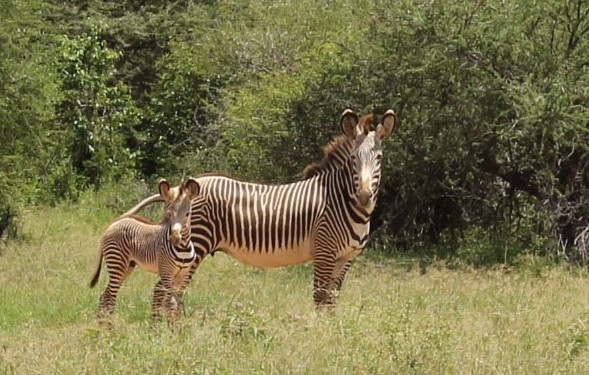
On January 30th and 31st the TBI field school students were able to take part in a historically important effort across Kenya. The Great Grevy’s Rally is part of a huge attempt to help stop declining population numbers of the endangered Grevy’s Zebra (Equus grevyi). A mother and infant Grevy's zebra pose for a [...]

2017-01-04T18:04:37+03:00February 1st, 2016|Field Schools, Spring 2016|Comments Off on The Great Grevy’s Rally

Ecology week 1: The carnivores of Mpala

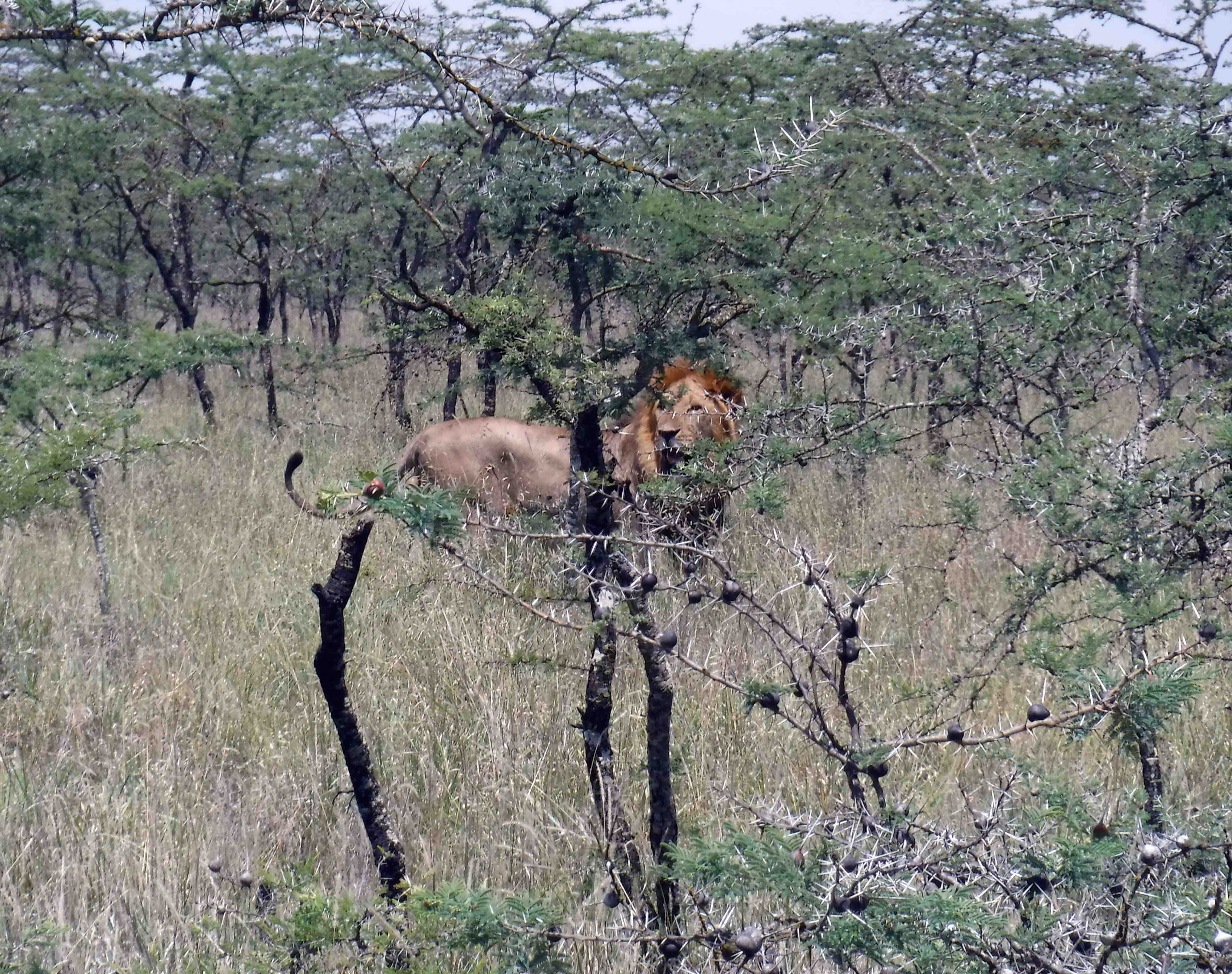
After learning about the primary producers (vegetation) and their primary consumers (herbivores), we moved on to discuss those animals higher up the food chain. Carnivores play crucial roles in ecological systems – they keep prey species’ populations in check, allowing for natural regenerating of grazed areas on the landscape. They also cull sick animals to [...]

2017-01-04T18:04:37+03:00January 29th, 2016|Field Schools, General, Spring 2016|Comments Off on Ecology week 1: The carnivores of Mpala

Ecology Week 1: Vegetation ecology at Mpala

We are experiencing an El Niño event all over the globe, seeing weather patterns that are drastically different from our seasonal norms. The Laikipia region in central Kenya is no different – in a time when it should be dry, the region has been doused with much higher rainfall than the typical average. The TBI [...]

2017-01-04T18:04:37+03:00January 27th, 2016|Field Schools, Spring 2016|Comments Off on Ecology Week 1: Vegetation ecology at Mpala
Go to Top