During recent fieldwork in the Loreamatet area of the Turkana Basin, the CAMP project (Re-Constructing the Archaeology of Mobile Pastoralism) carried out a series of public engagement activities in close collaboration with Turkana pastoralists.
From the outset, the project was guided by a simple principle: “we are here to learn.” Understanding the material traces of mobile pastoralism requires deep knowledge of how people organise camps, move across the landscape, and manage animals in highly variable environments. This knowledge can only be gained through direct dialogue with the communities who live these practices every day.
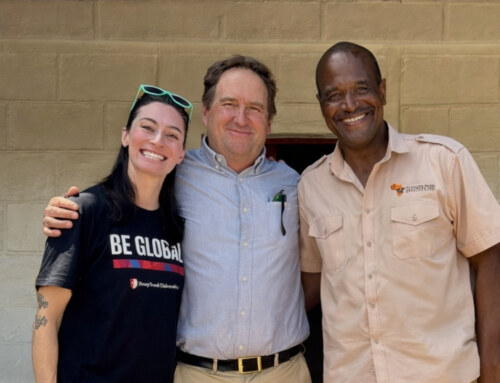
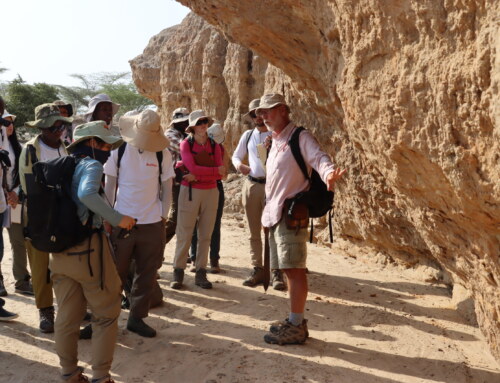
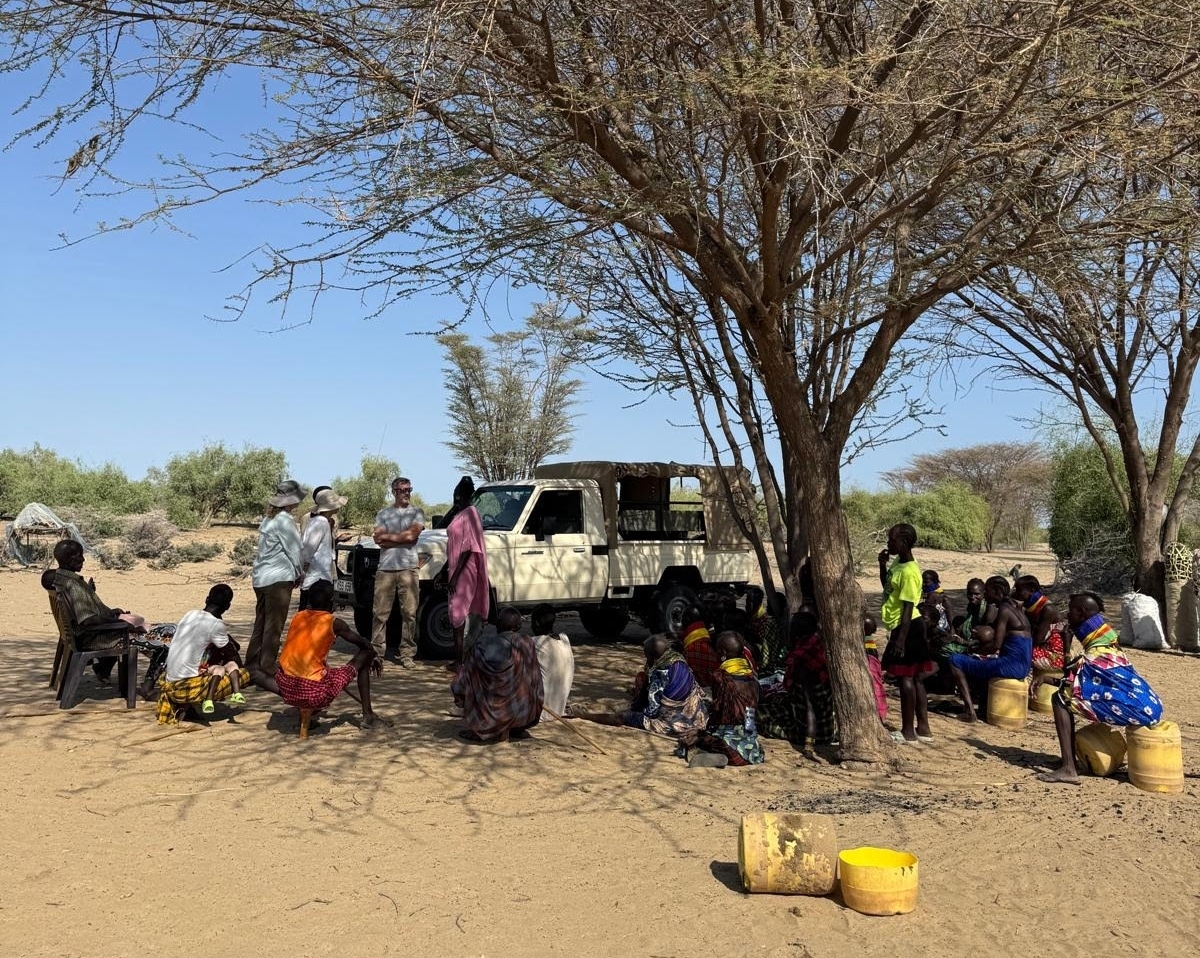
Before fieldwork began, the research team met with local authorities and community representatives, with the invaluable support of TBI staff John Lonyala. Initial community meetings were then organised to explain the aims of the project, the methods used, and the role of community knowledge in the research. Throughout the field season, local collaborators were hired and worked daily with the team, facilitating communication, assisting in field activities, and contributing to interpretation.
At the end of the fieldwork, a final community meeting was held in which preliminary results were shared using tablets. This moment of feedback and discussion allowed community members to see how their knowledge directly informed the research and to ask questions about the findings. Several participants travelled specifically to attend these meetings, demonstrating strong interest and engagement.
By prioritising oral communication, collective meetings, and collaboration with local institutions, the CAMP project sought to practice inclusive and respectful research, recognising Turkana pastoralists as holders of valuable knowledge and active partners in scientific inquiry.
CAMP is directed by Stefano Biagetti and funded by the European Research Council (ERC CoG 101088842)